
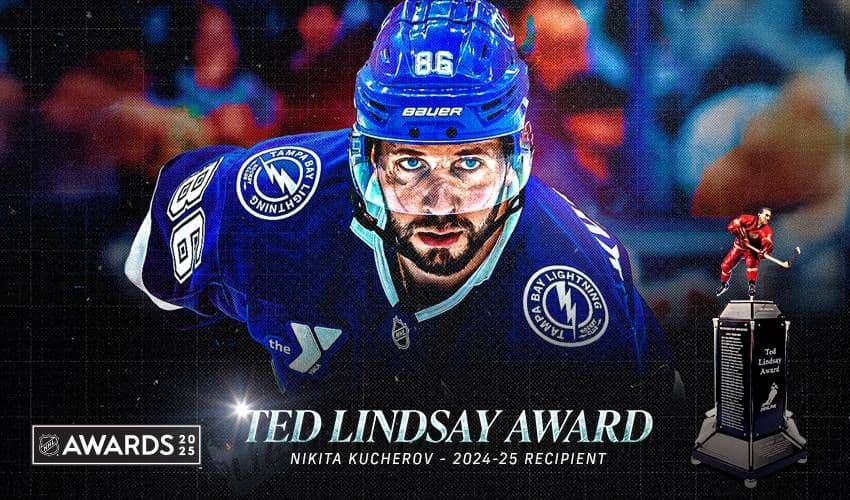
Nikita Kucherov voted 2024-25 Ted Lindsay Award recipient by NHLPA members
NIKITA KUCHEROV VOTED 2024-25 TED LINDSAY AWARD RECIPIENT BY NHLPA MEMBERS Kucherov earns his second TLA, as voted by the players, while MacKinnon and…
Loading...
Honouring the NHL’s Most Outstanding Player
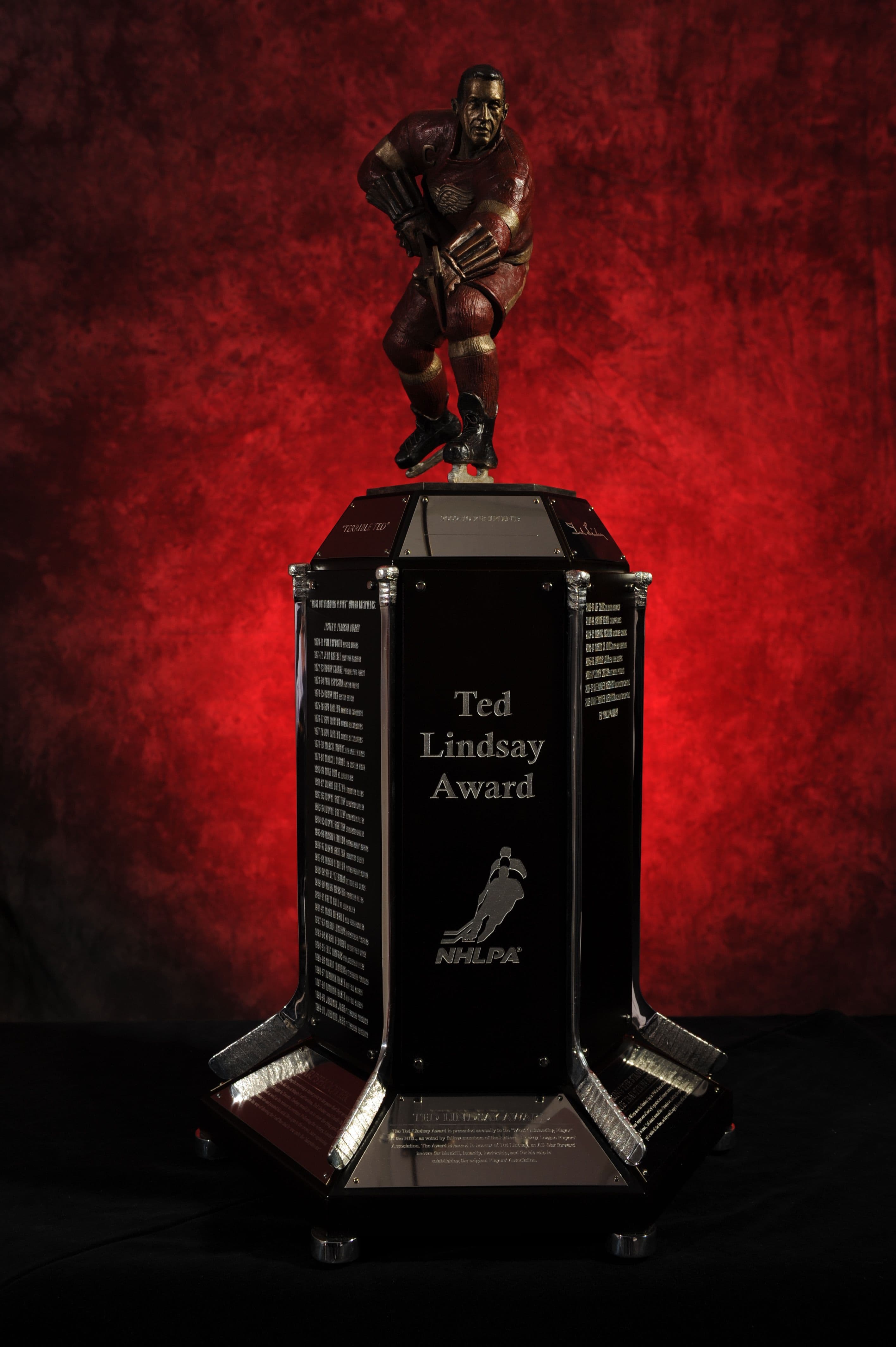
The Ted Lindsay Award is unique as the only NHL award voted on by the players themselves, carrying on the tradition established in 1970-71 with the Lester B. Pearson Award. NHLPA members annually vote on the player they deem to be the most outstanding in the NHL regular season. The award was reintroduced in 2009-10 as the namesake of the late Ted Lindsay to honour his legacy as a Hockey Hall of Fame forward known for skill, tenacity and leadership, along with his role in establishing the original Players’ Association.
The Award honours Ted Lindsay, an All-Star forward known for his skill, leadership, and role in establishing the original National Hockey League Players' Association.
Ted Lindsay's Legacy
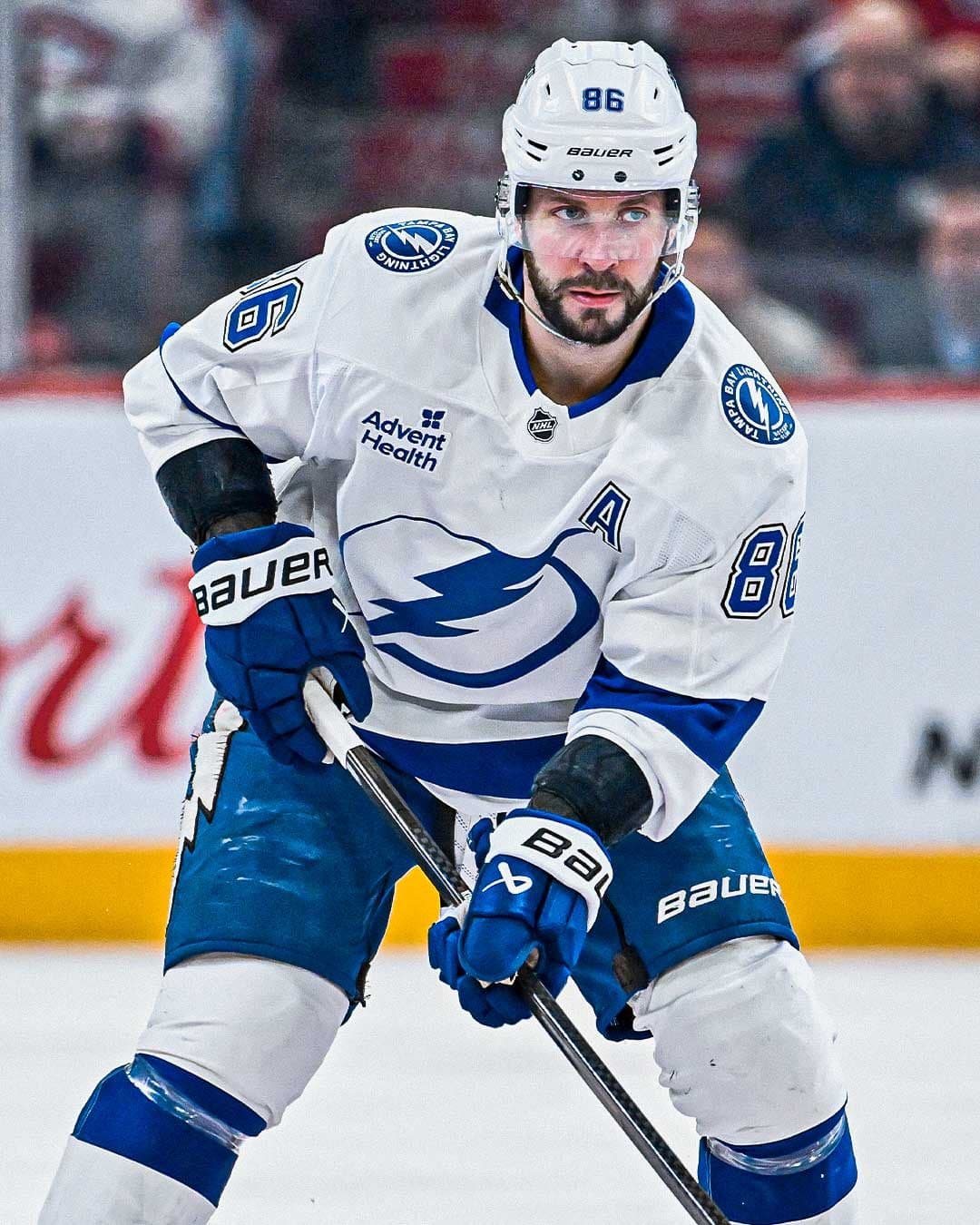
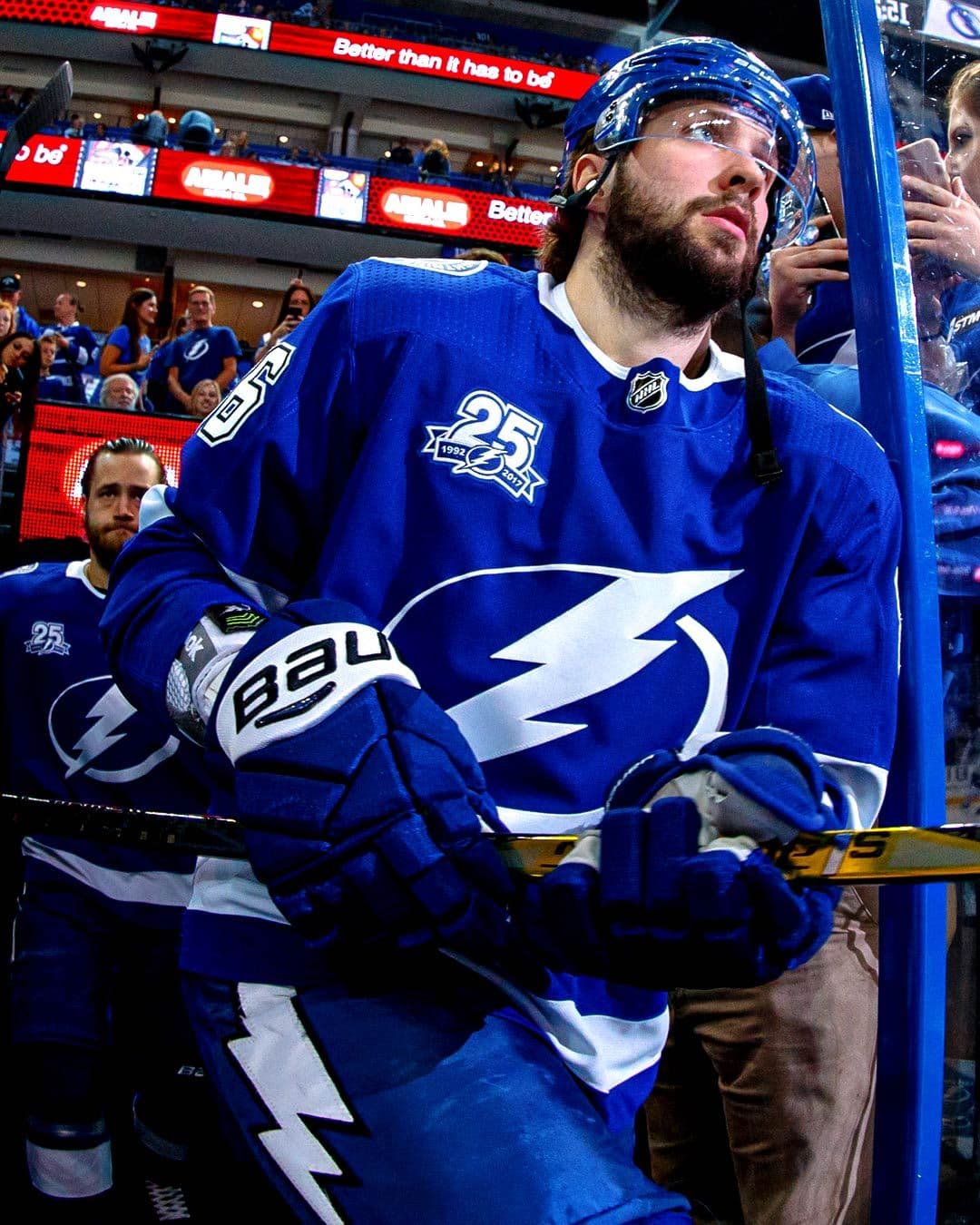
Nikita Kucherov
Nikita Kucherov became a two-time Ted Lindsay Award recipient for his 2024-25 NHL season after he was first voted the most outstanding player by his peers in 2018-19.
Also a finalist in 2023-24, he accumulated a league-leading 121 points (37-84-121) in 78 regular-season games in 2024-25 to secure his third Art Ross Trophy for leading the league in scoring.
Tampa Bay Lightning

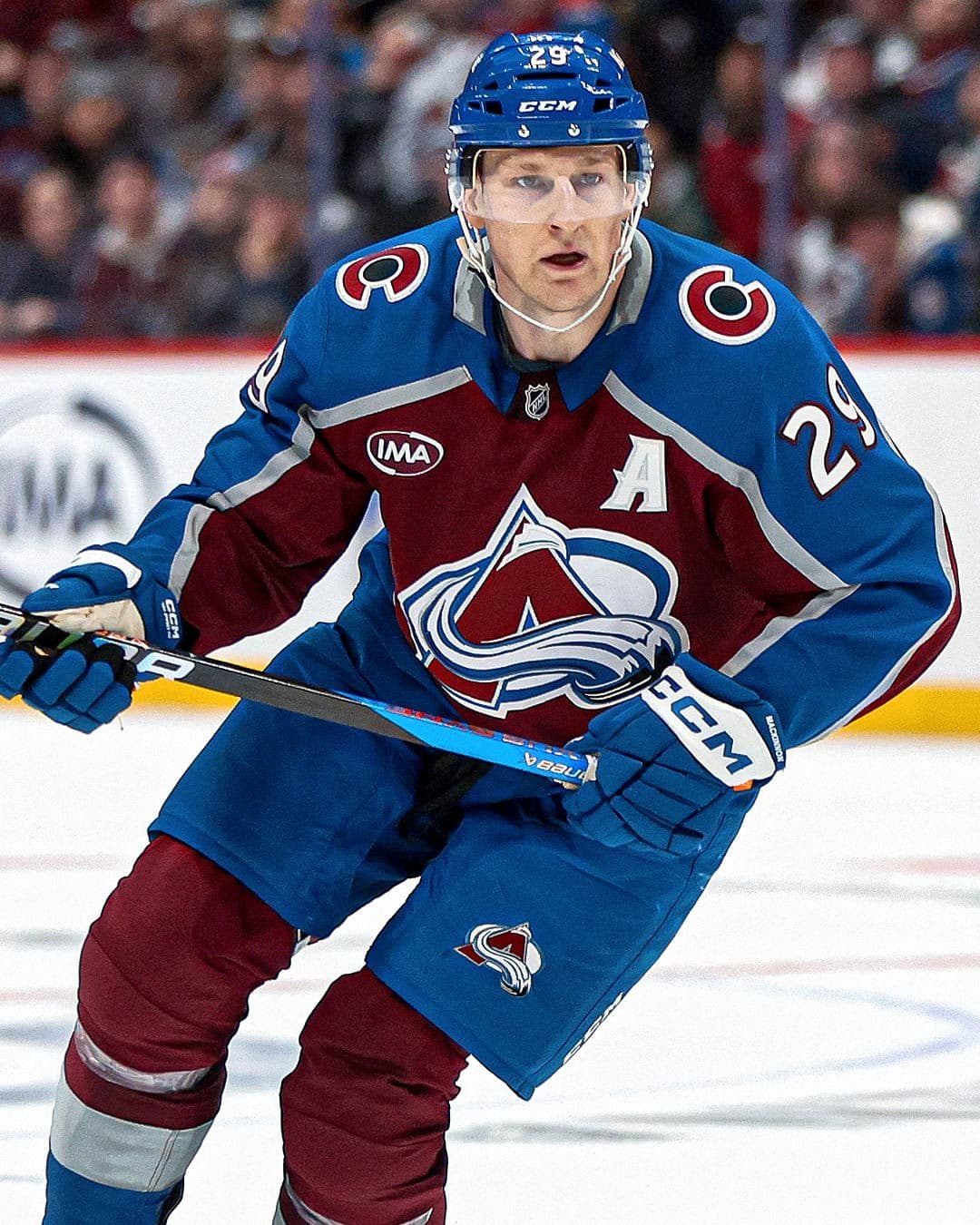
Nathan MacKinnon
Nathan MacKinnon earned the first Ted Lindsay Award of his career after twice previously finishing as a finalist.
Colorado Avalanche

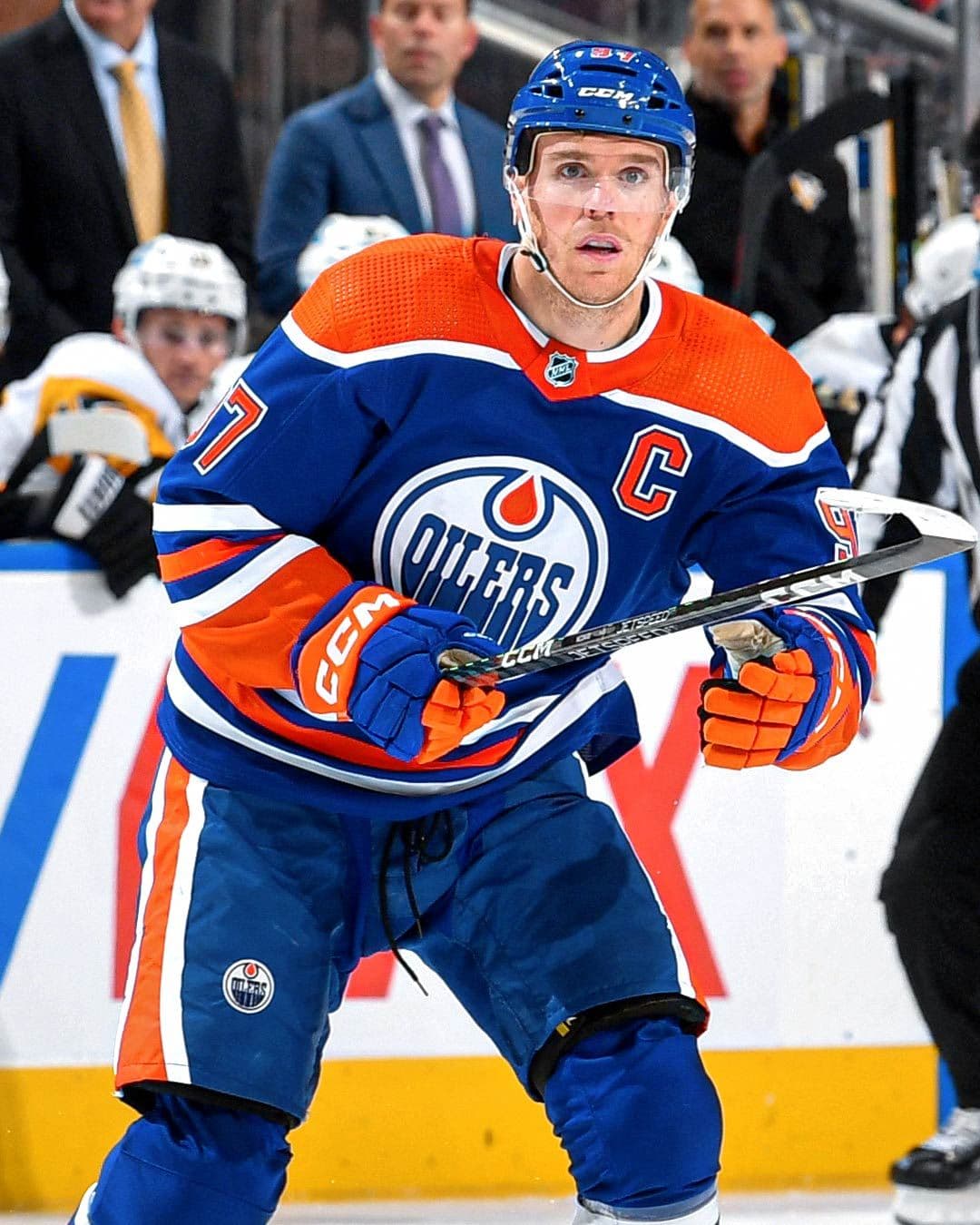
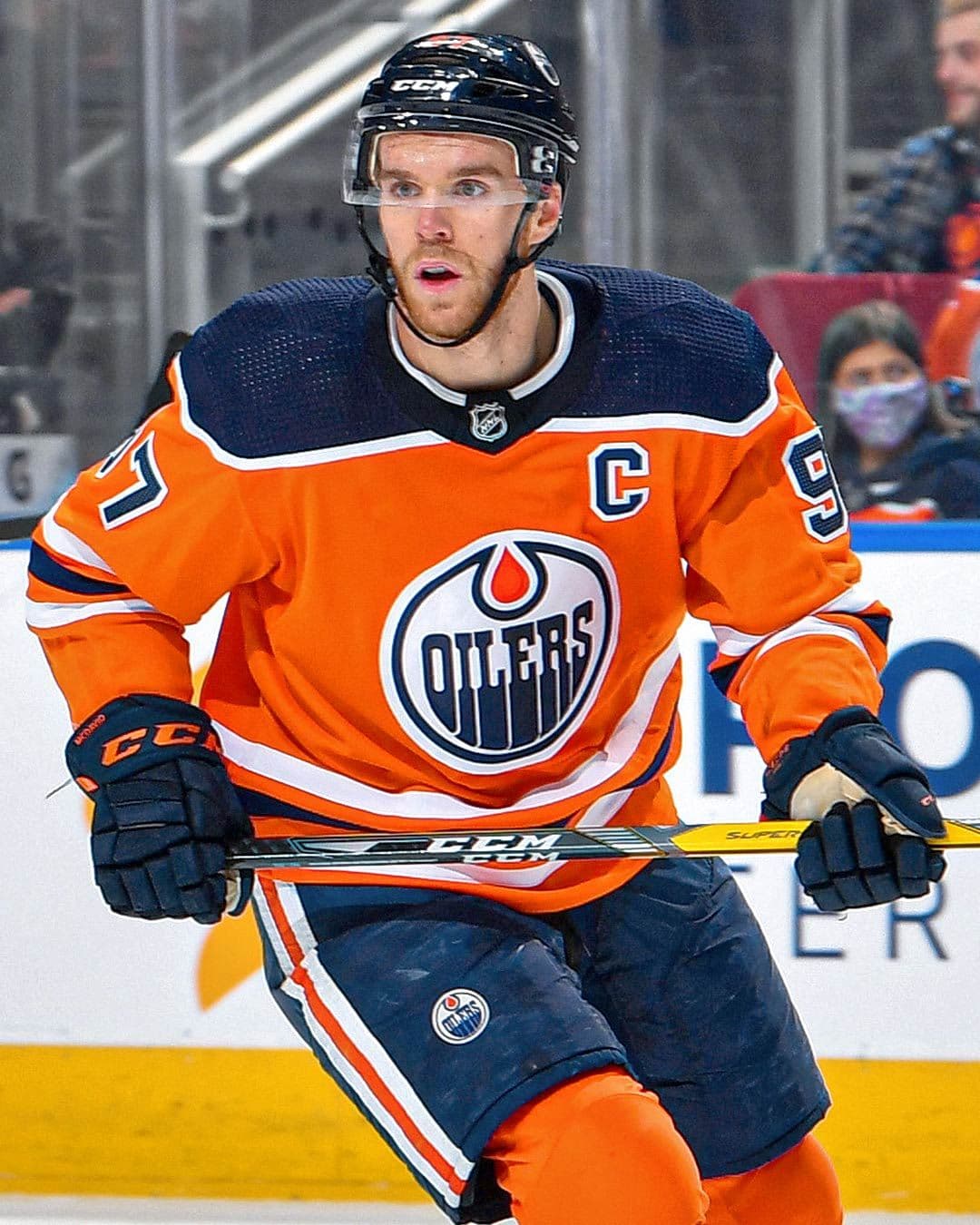
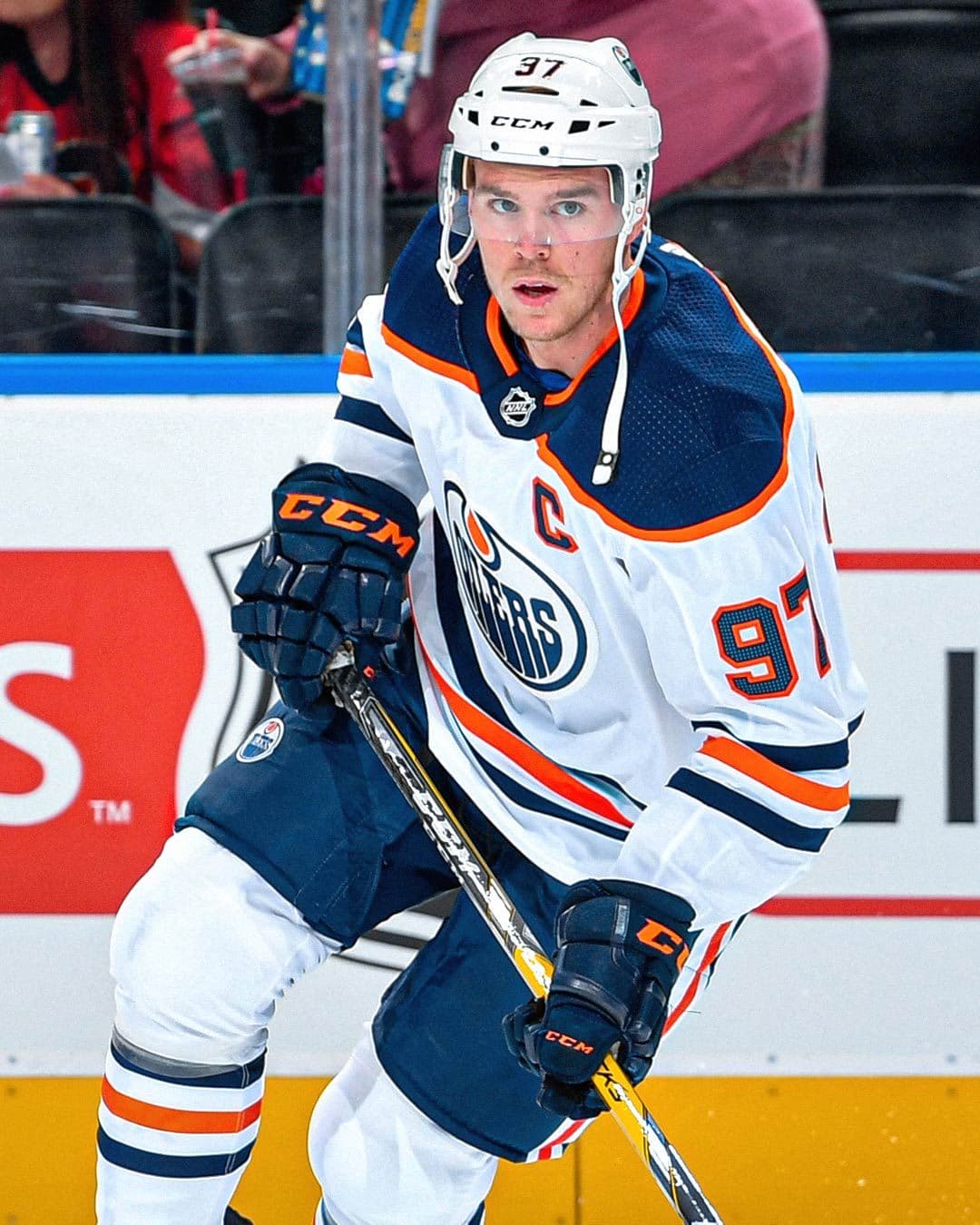
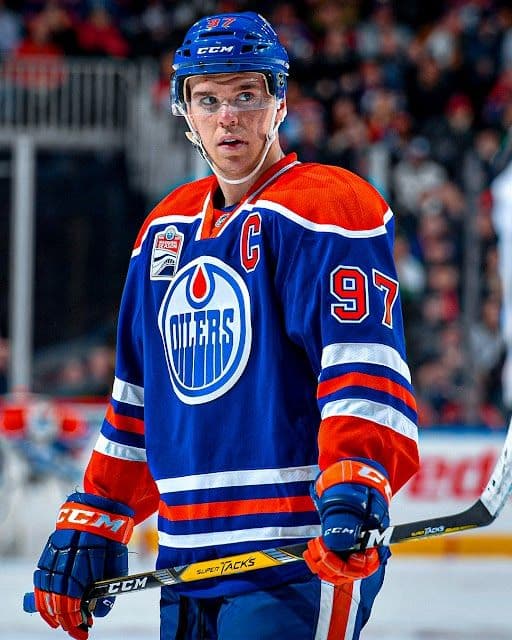
Connor McDavid
McDavid becomes only the third four-time recipient in the award’s history.
Edmonton Oilers

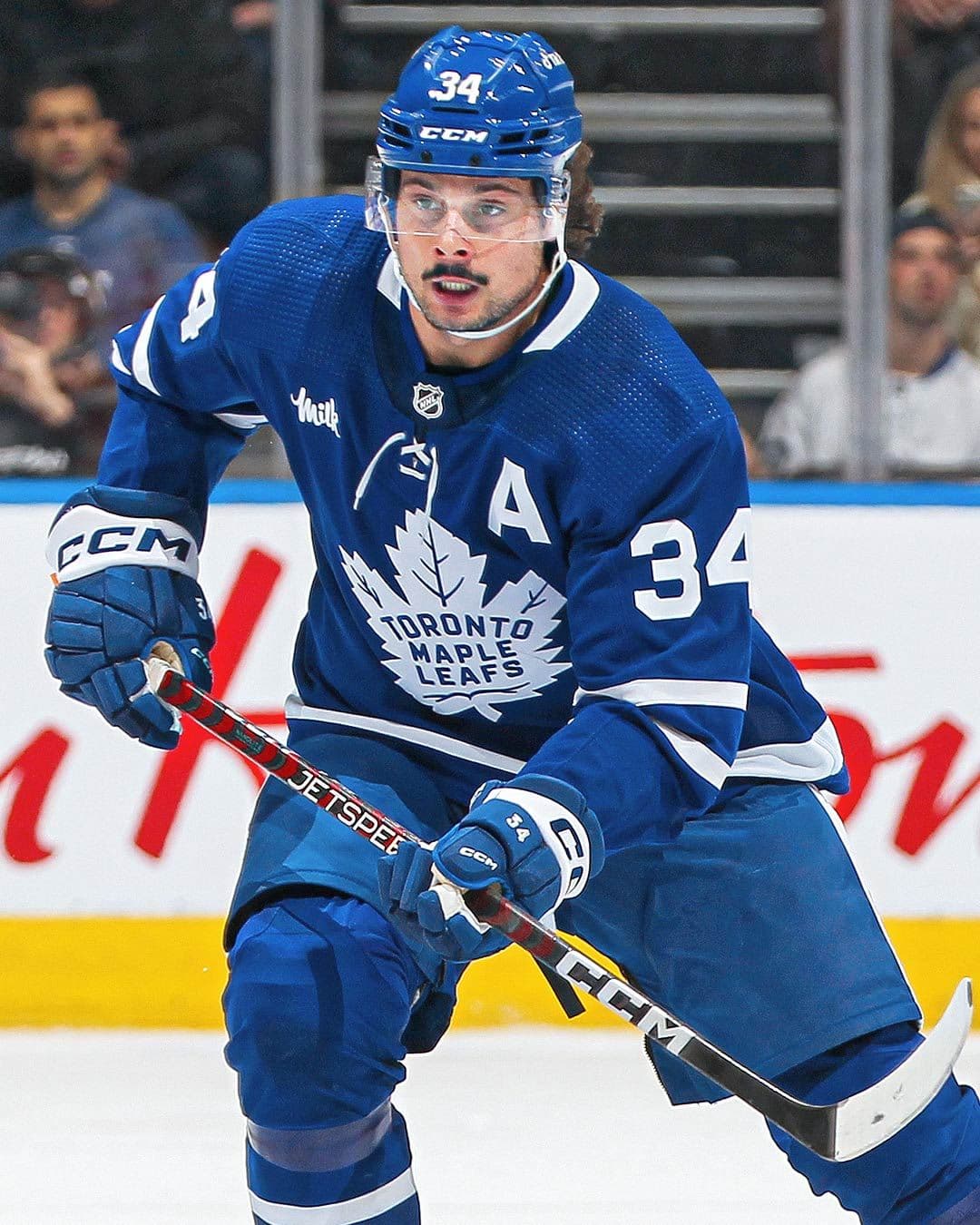
Auston Matthews
Matthews played in 73 of Toronto’s 82 regular-season games to help the Maple Leafs place second in the Atlantic Division.
Toronto Maple Leafs

Connor McDavid
McDavid played in all 56 of Edmonton’s regular-season games to help lead the Oilers to a second-place finish in the North Division.
Edmonton Oilers

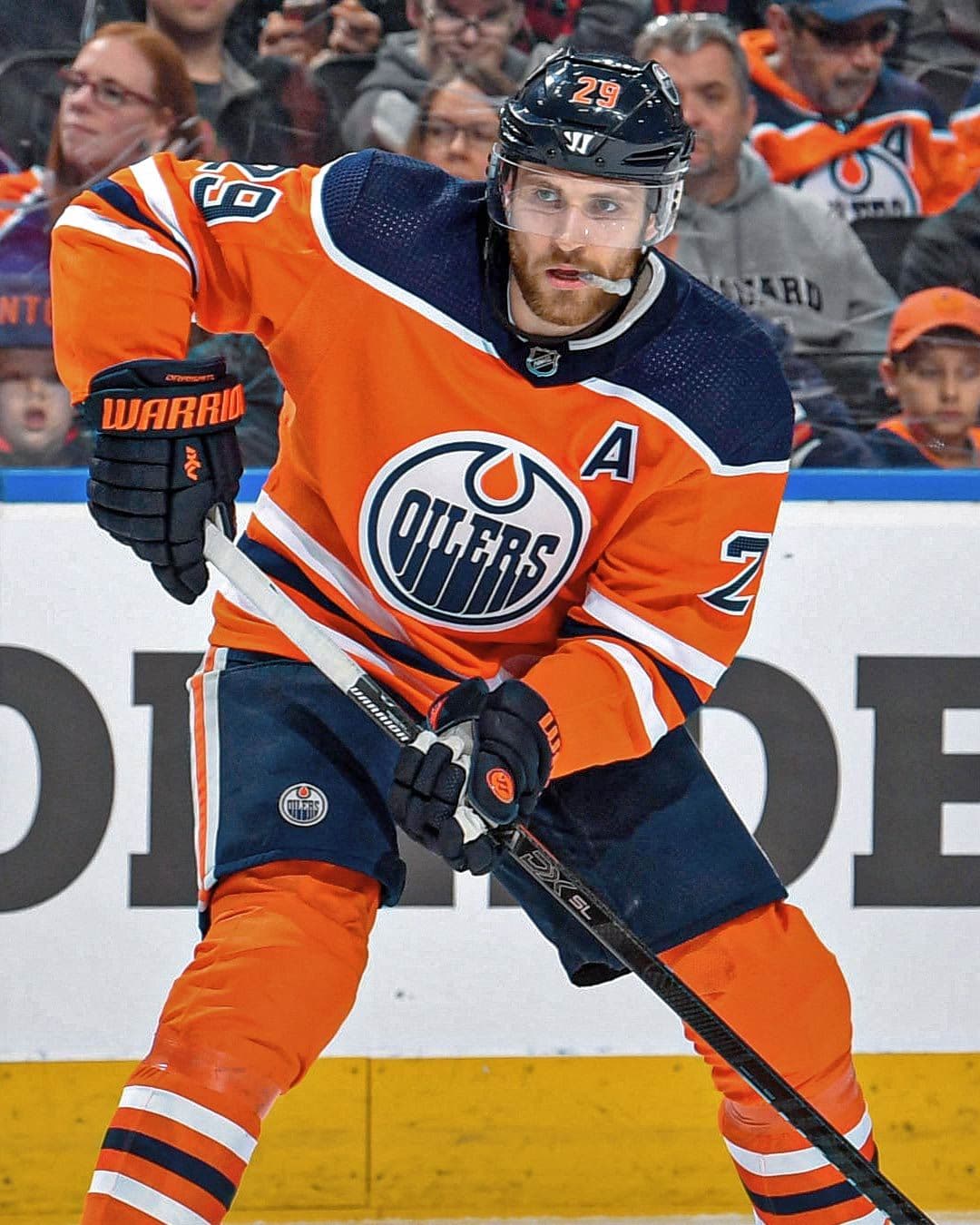
Leon Draisaitl
Leon Draisaitl played in all 71 of Edmonton’s regular-season games and helped lead the Oilers to the fifth-best points percentage in the Western Conference. He led the NHL in points per game (1.55), assists (67), power-play points (44) and average ice time among forwards (22:37), while he tied for first in game-winning goals (10).
Edmonton Oilers

Nikita Kucherov
Nikita Kucherov scored a career-high 128 points – the most ever by a Russian-born player – while leading the league in assists (87), power-play points (48) and multi-point games (38). He earned his first Ted Lindsay Award.
Tampa Bay Lightning

Connor McDavid
For the second straight season, Connor McDavid played all 82 games and led the league with 108 points, winning his second Art Ross Trophy. At just 21, he became the first player to earn two Ted Lindsay Awards before the age of 22.
Edmonton Oilers

Connor McDavid
There was no sophomore slump for Edmonton Oilers captain Connor McDavid, who won his first Ted Lindsay Award in 2016-17 after leading the league with 100 points. At 20, he became the youngest TLA recipient in history.
Edmonton Oilers

Patrick Kane
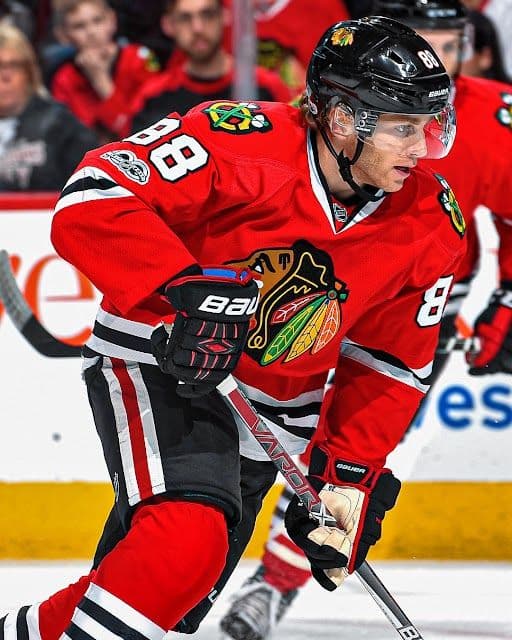
Patrick Kane's 26-game point streak between October and December buoyed him to an Art Ross Trophy-winning season that saw him finish with 46 goals and 106 points. He became the first U.S.-born player to win a scoring title as well as receiving the Lindsay and Hart honours.
Chicago Blackhawks

Carey Price
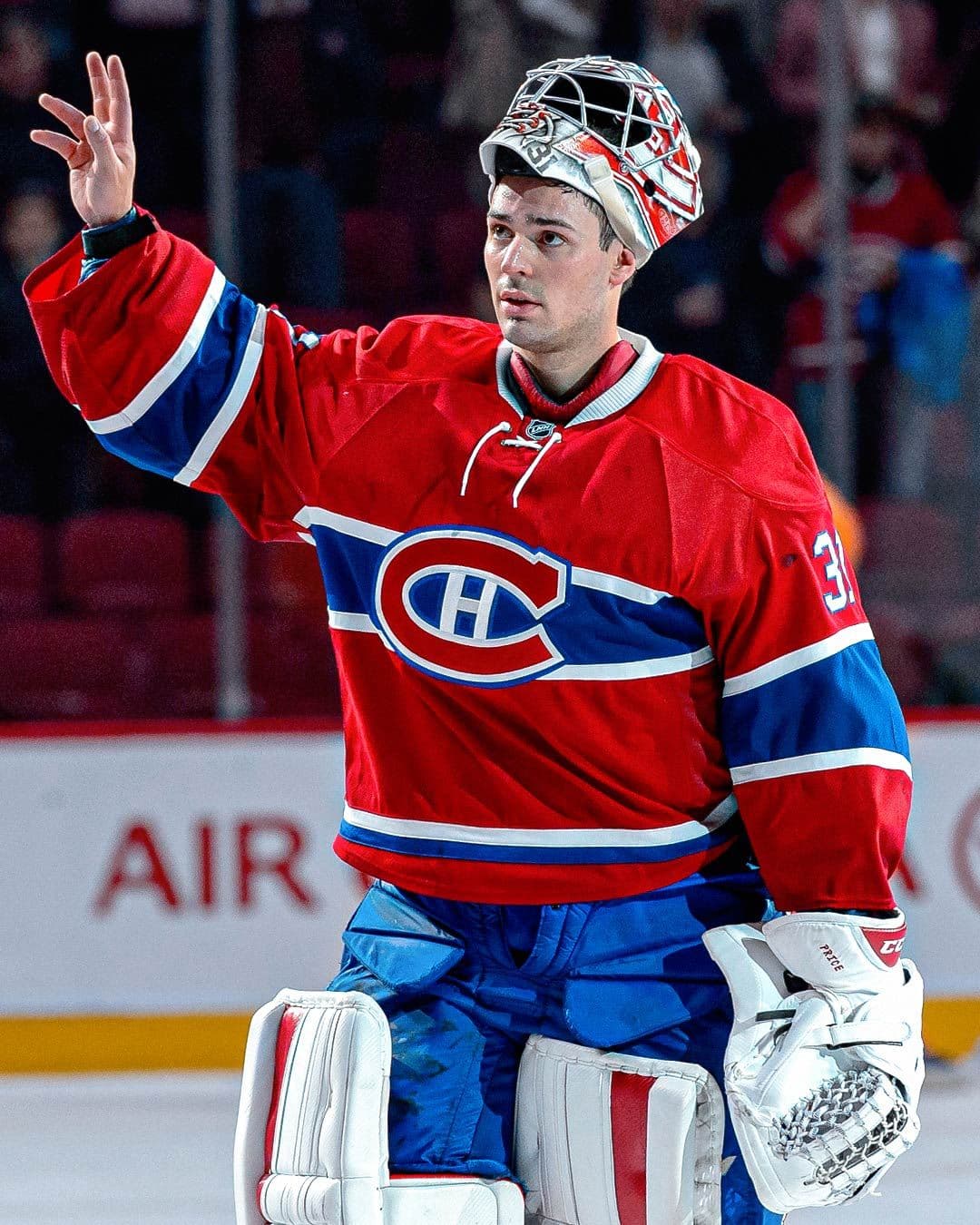
Carey Price delivered a stellar season with league-best marks in GAA (1.96), save percentage (.933) and wins (44), capturing the Vezina, Jennings, Hart, and Ted Lindsay. He became only the third goalie ever to earn the players’ award.
Montreal Canadiens

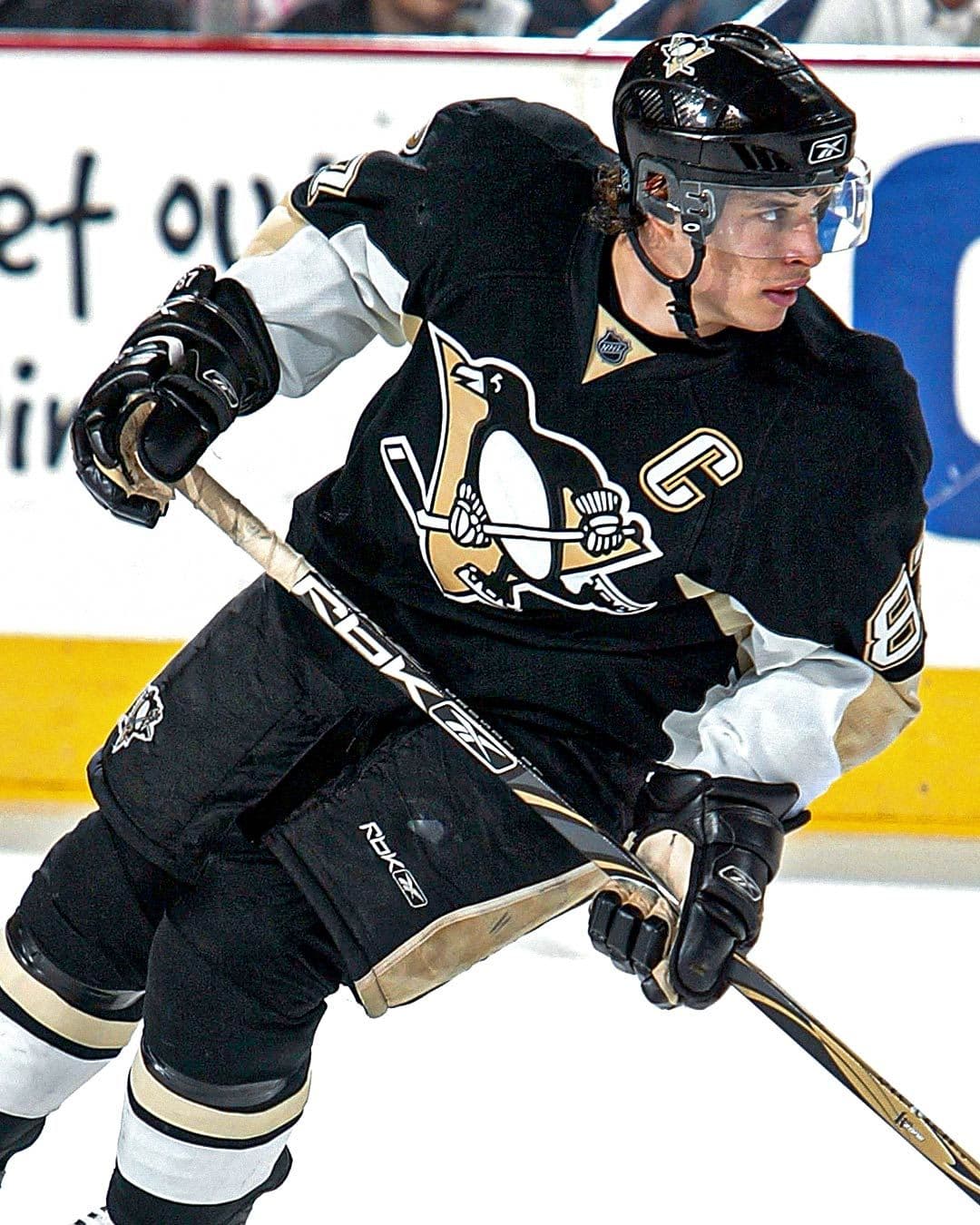
Sidney Crosby
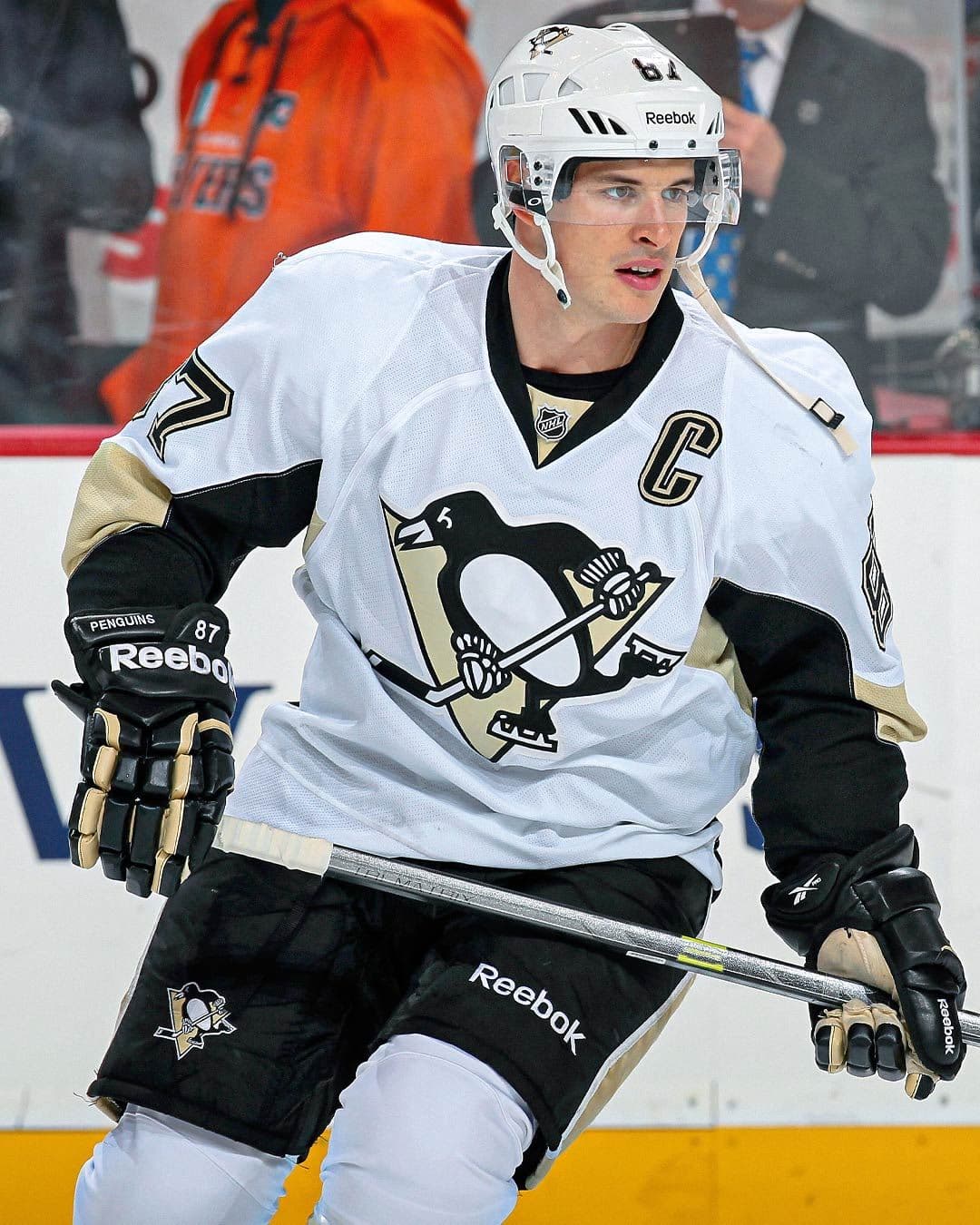
Sidney Crosby played 80 games, his most since 2009-10, and led the league with 104 points to claim his second Art Ross. Voted by his peers for a second straight Ted Lindsay Award (third overall), Crosby also earned his second Hart Trophy.
Pittsburgh Penguins

Sidney Crosby
Despite missing the final 12 games with a broken jaw, Sidney Crosby tallied 56 points in just 36 games, finishing third in scoring. Players voted him the Ted Lindsay Award winner for the second time.
Pittsburgh Penguins

Evgeni Malkin
With Sidney Crosby sidelined, Evgeni Malkin carried the Penguins with 50 goals and 109 points, the league’s only 100-point season. He earned his first Ted Lindsay Award along with the Hart Trophy.
Pittsburgh Penguins

Daniel Sedin
Daniel Sedin posted 41 goals and 104 points to win the Art Ross, making the Sedins the first brothers with back-to-back scoring titles. He became just the second Sweden-born player to win the Ted Lindsay Award.
Vancouver Canucks

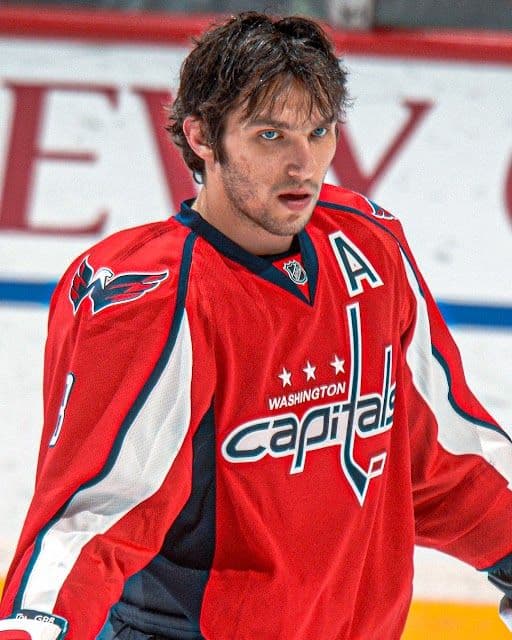
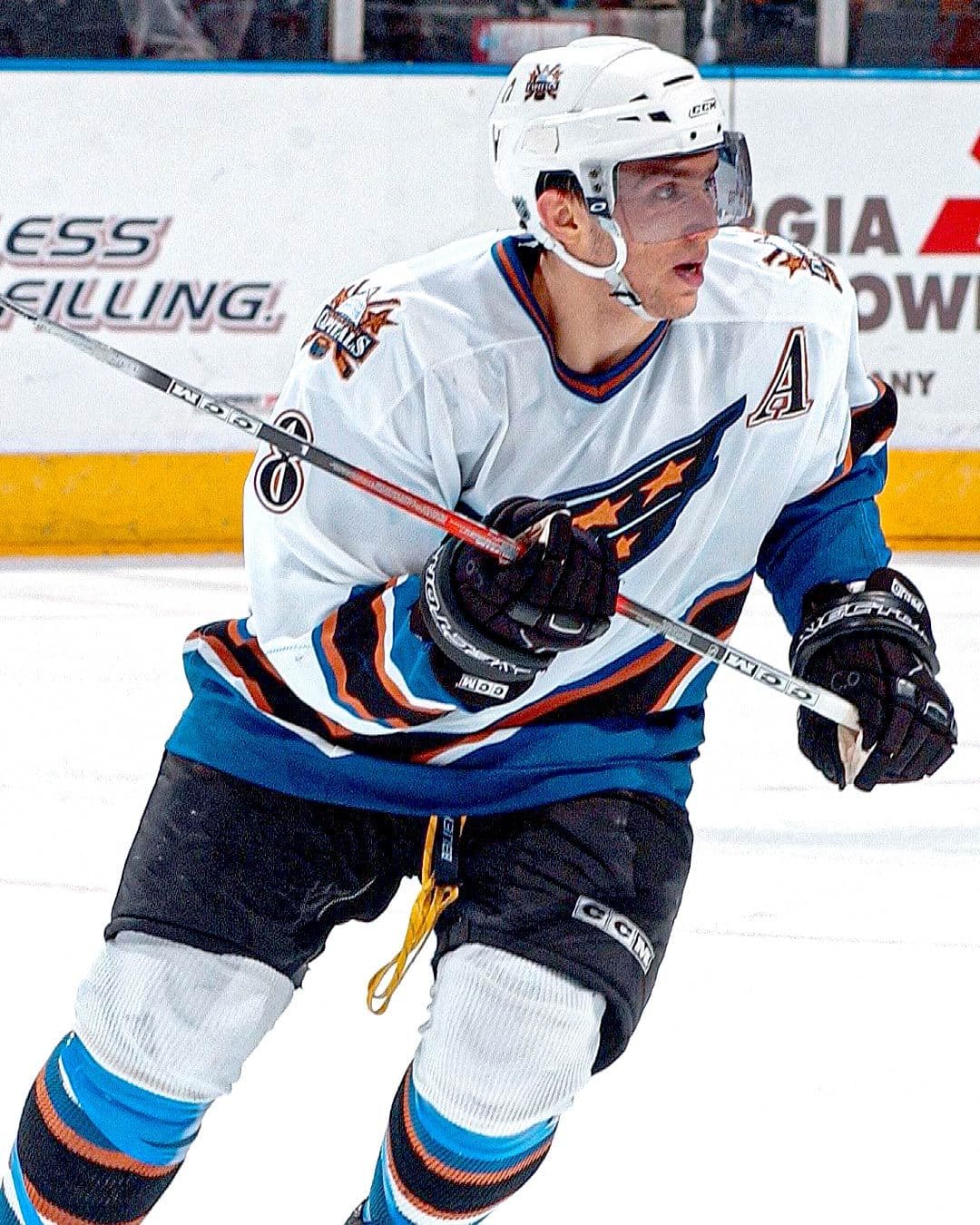
Alexander Ovechkin
Alexander Ovechkin scored 50 goals and 109 points in 72 games to lead Washington to the Presidents’ Trophy, becoming only the second player after Wayne Gretzky to win the Award three straight times.
Washington Capitals

Alexander Ovechkin
Alex Ovechkin won his second straight Award after leading the league with 56 goals, becoming the first player since Pavel Bure to post back-to-back 50-goal seasons.
Washington Capitals

Alexander Ovechkin
In 2007-08, Alex Ovechkin scored a career-high 65 goals and 112 points, leading the league in multiple categories and becoming the first Capital to win the Award.
Washington Capitals

Sidney Crosby
At 19, Sidney Crosby became the youngest-ever Lester B. Pearson Award winner. He led the league with 120 points and 84 assists, powering Pittsburgh back to the playoffs after four years.
Pittsburgh Penguins

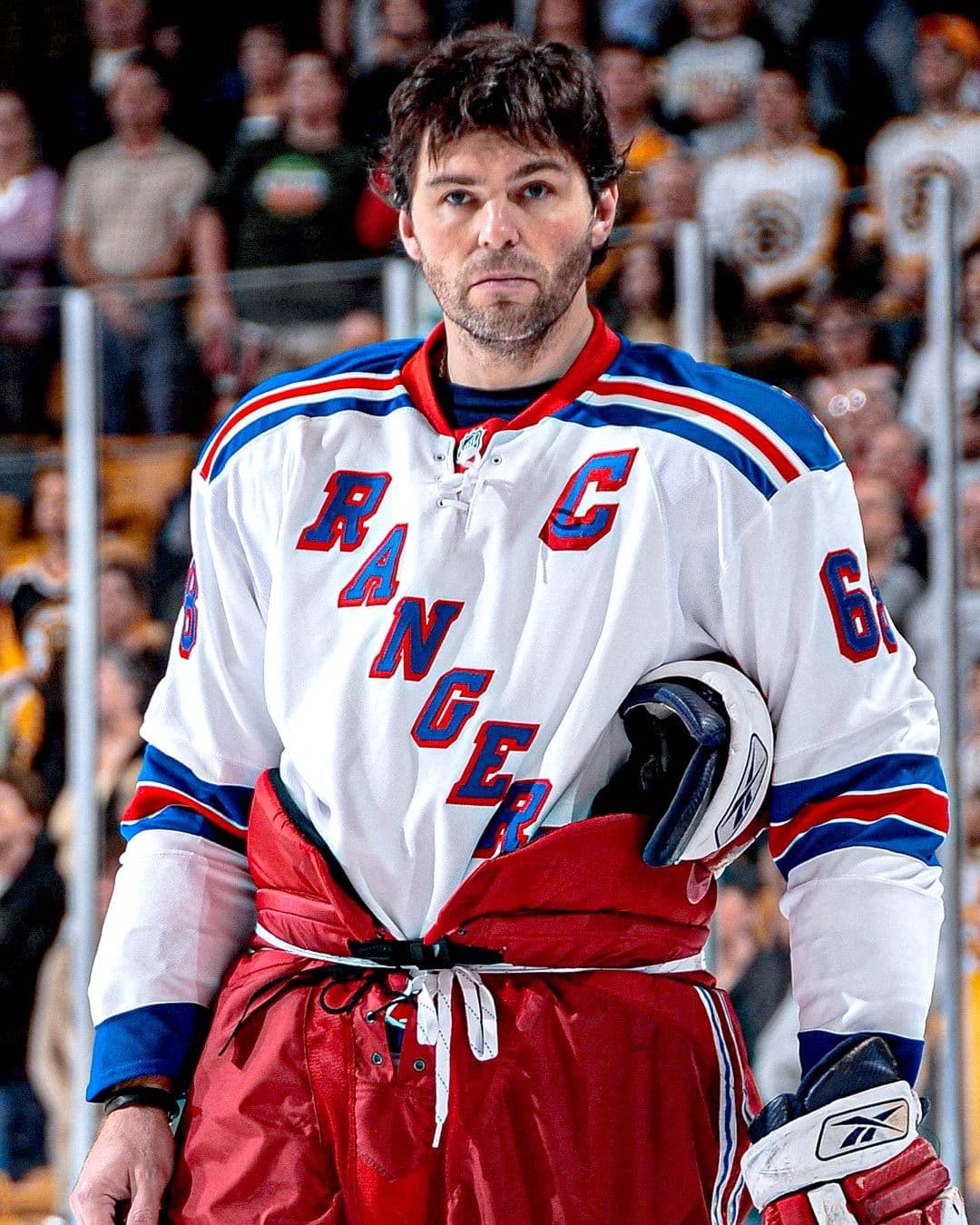
Jaromir Jagr
Jaromir Jagr earned his third Lester B. Pearson Award with a record-setting 123-point season for the Rangers, leading in power-play goals and shots while guiding the team to its first playoffs since 1997.
New York Rangers

Martin St. Louis
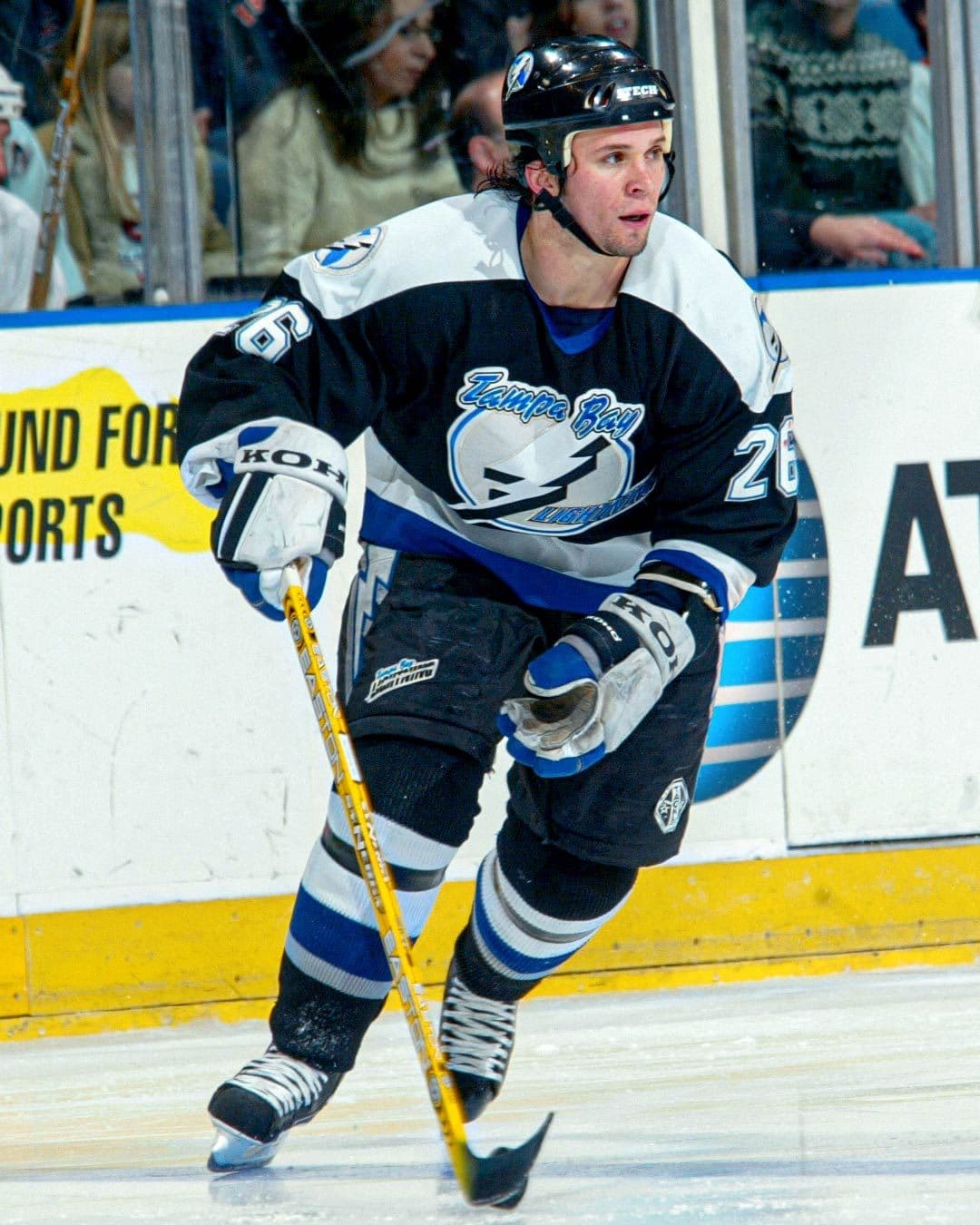
Martin St. Louis won his first Lester B. Pearson Award in 2003-04 after leading the NHL with 94 points. The 5-foot-8 winger topped the league in plus-minus and shorthanded points, driving Tampa Bay’s record season and eventual first Stanley Cup.
Tampa Bay Lightning

Markus Näslund
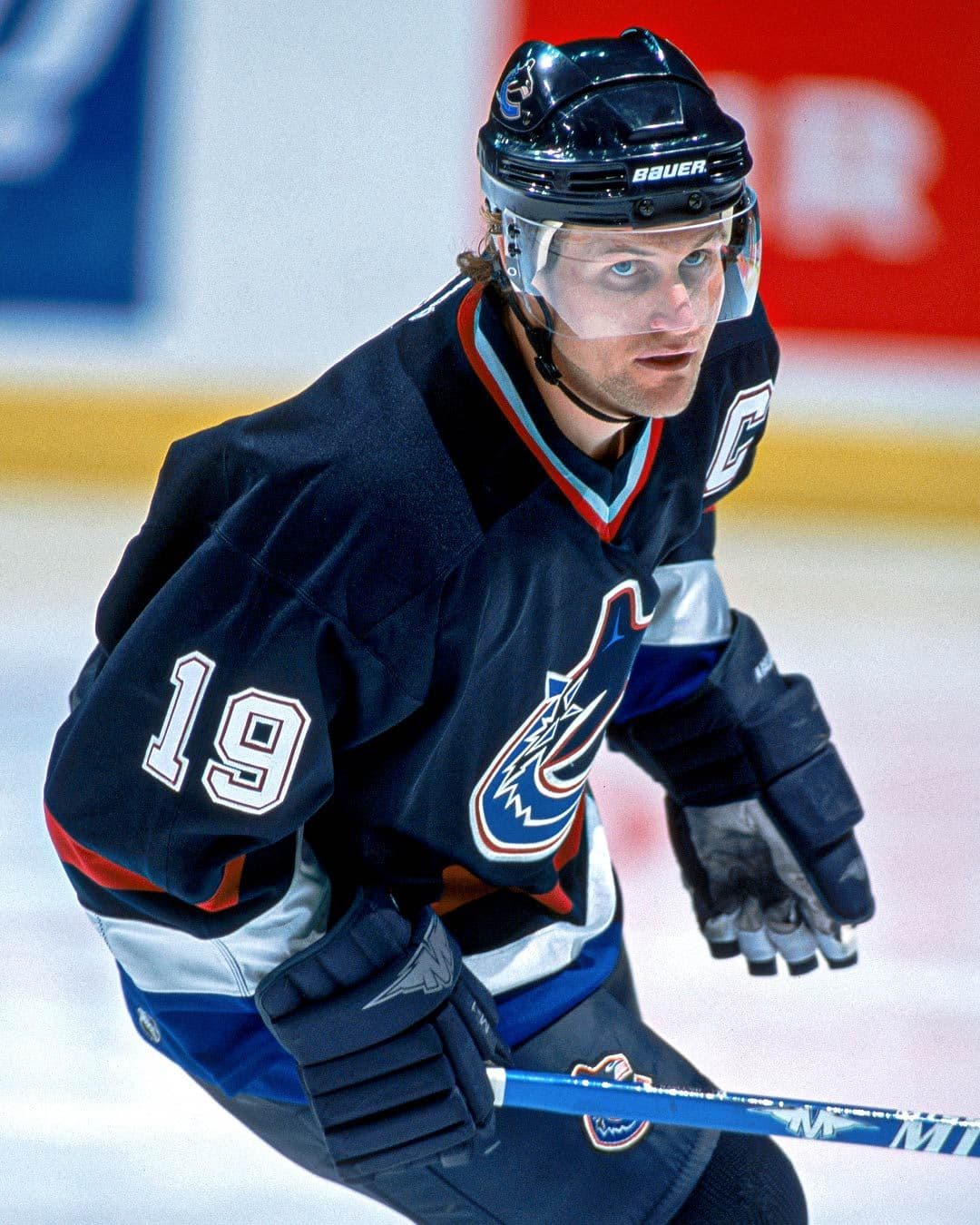
Markus Näslund became the first Canuck to win the Lester B. Pearson Award in 2002-03 after posting 48 goals and 104 points. He led the NHL in power-play and game-winning goals, powering Vancouver to a 100-point season and a division title.
Vancouver Canucks

Jarome Iginla
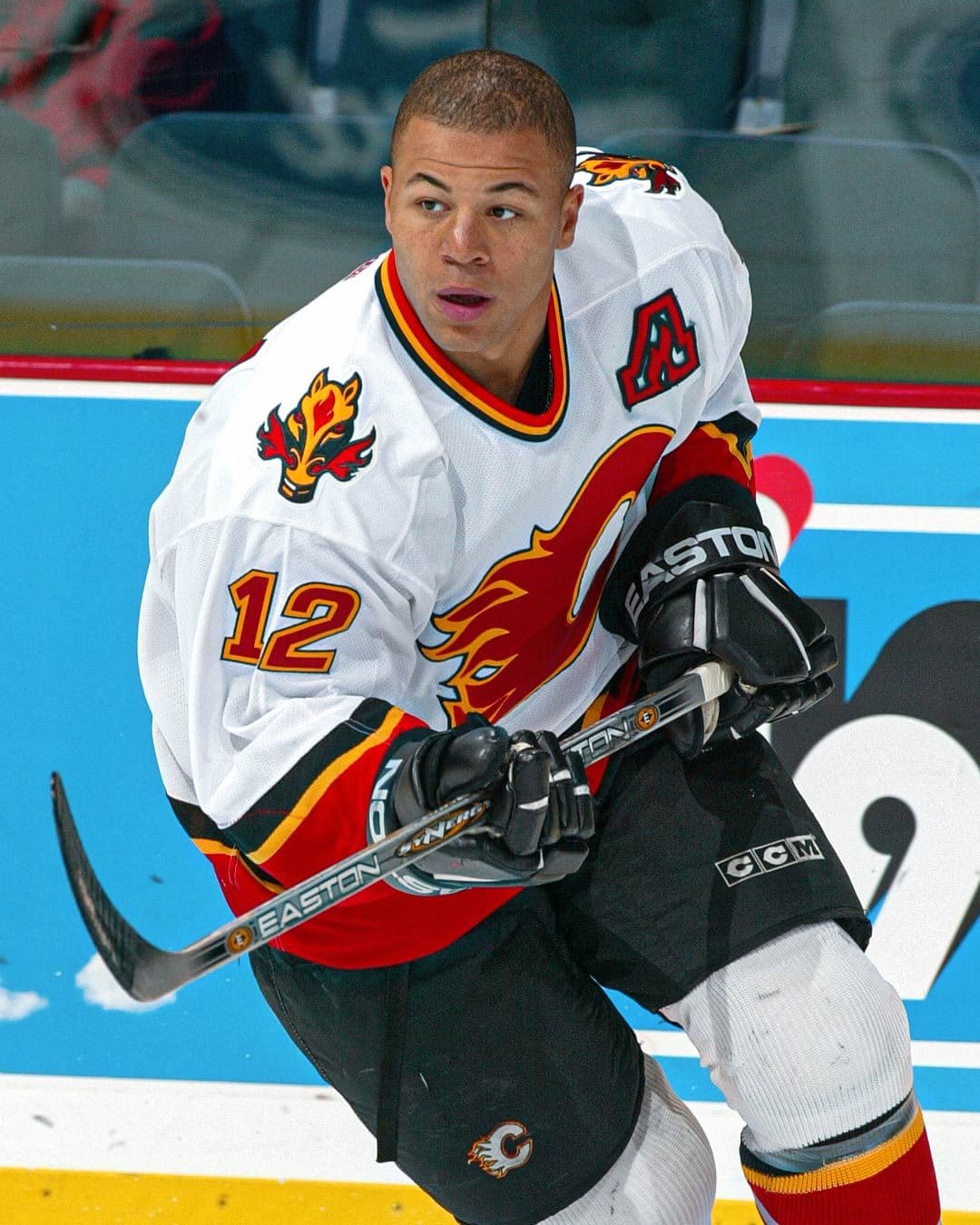
Jarome Iginla won the 2001-02 Lester B. Pearson Award after leading the NHL with 52 goals and 96 points. He also topped the league in even-strength goals and shots, becoming the first Flame to earn the honour despite Calgary missing the playoffs.
Calgary Flames

Joe Sakic
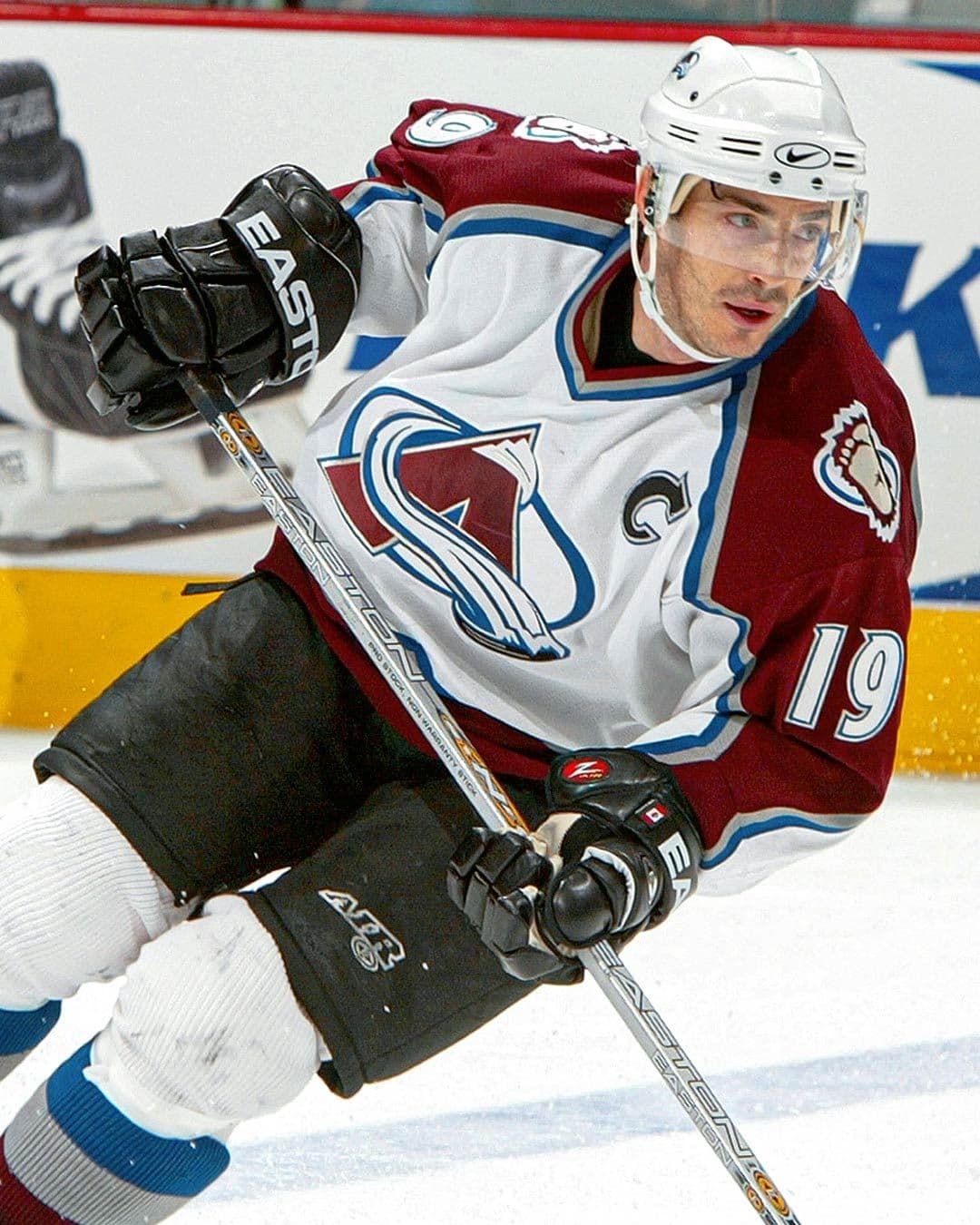
Joe Sakic captured his first Lester B. Pearson Award in 2000-01, posting 54 goals and 118 points to rank second in league scoring. The Avalanche captain led the NHL in game-winning goals and drove Colorado to a Presidents’ Trophy season capped by a Stanley Cup win.
Colorado Avalanche

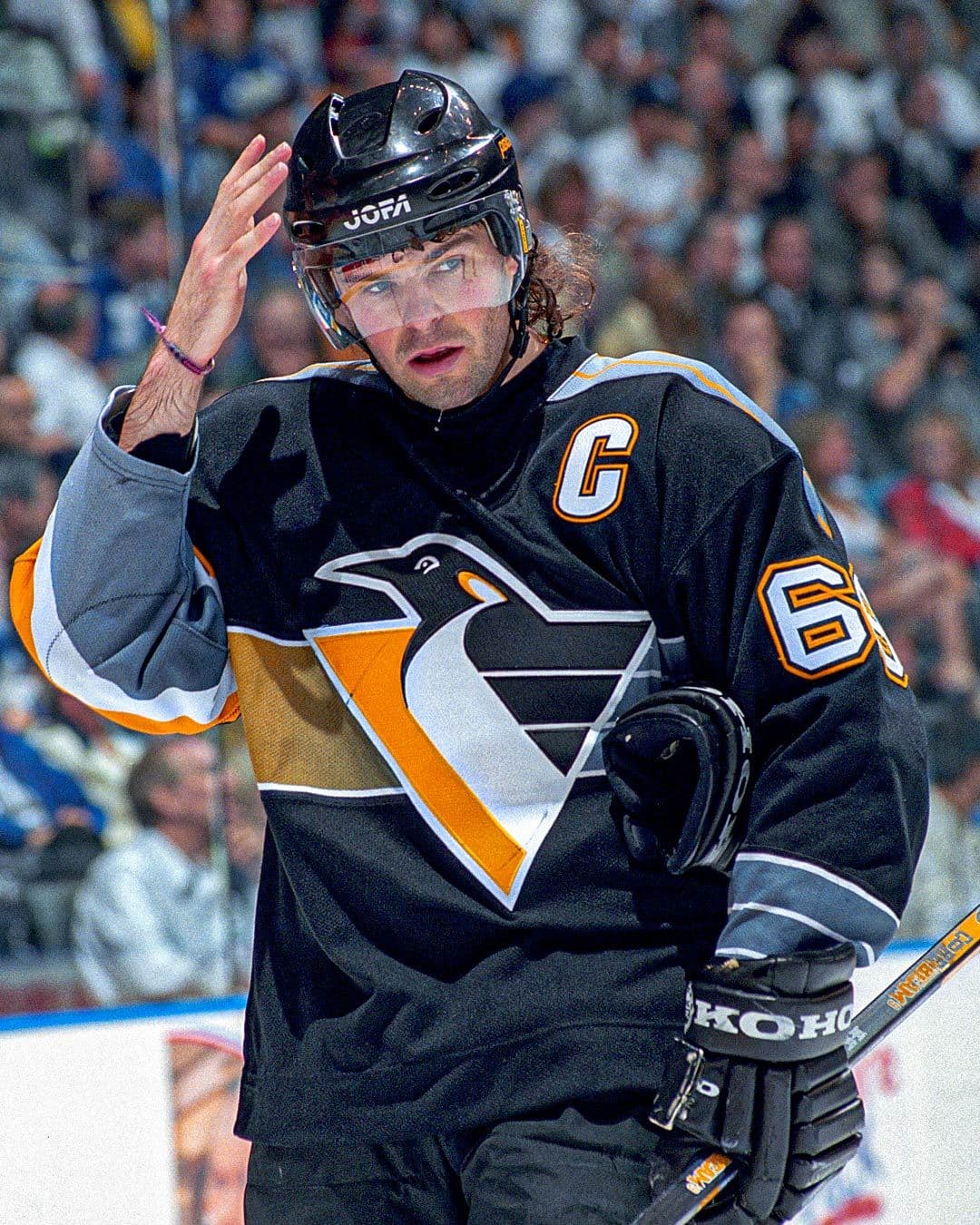
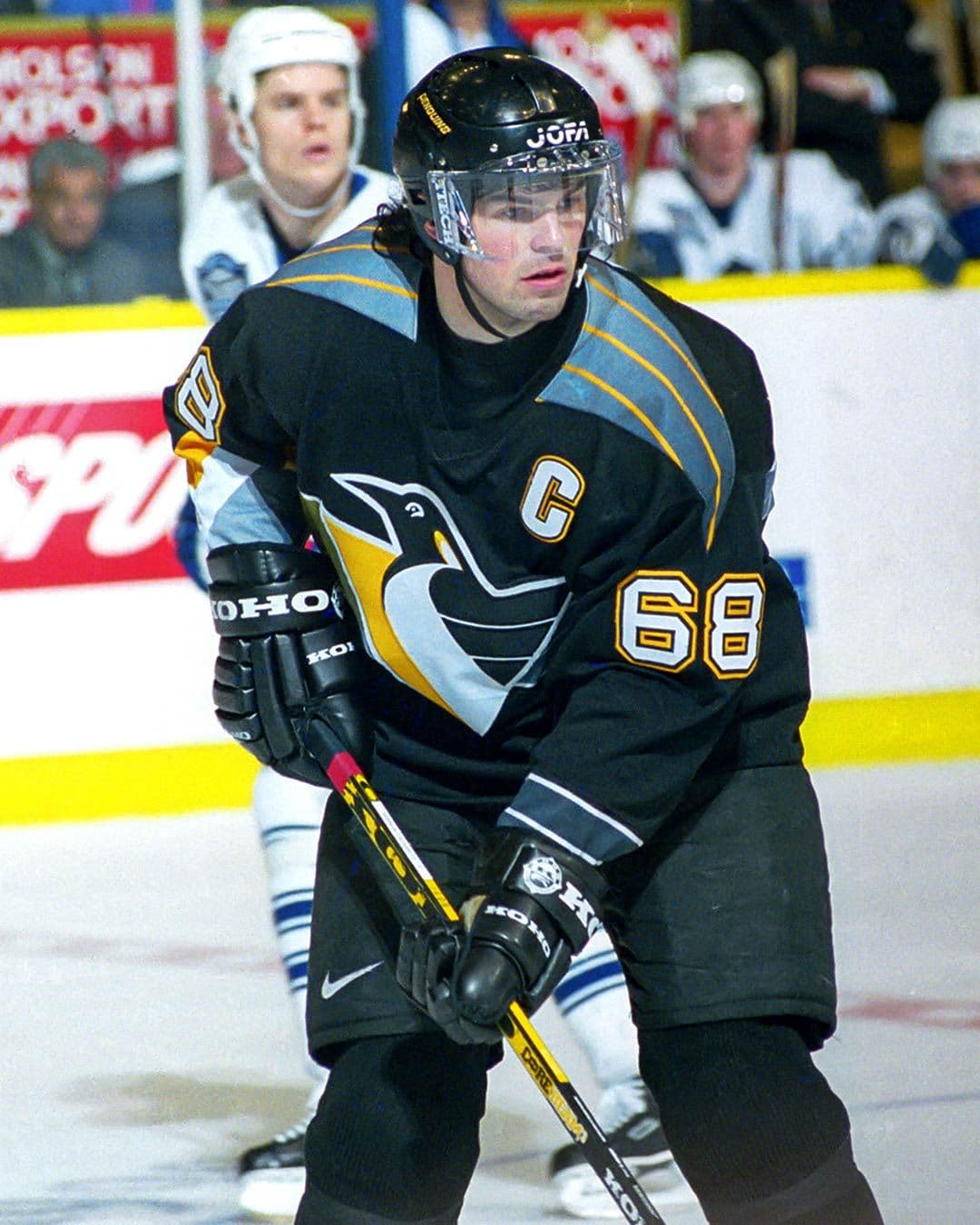
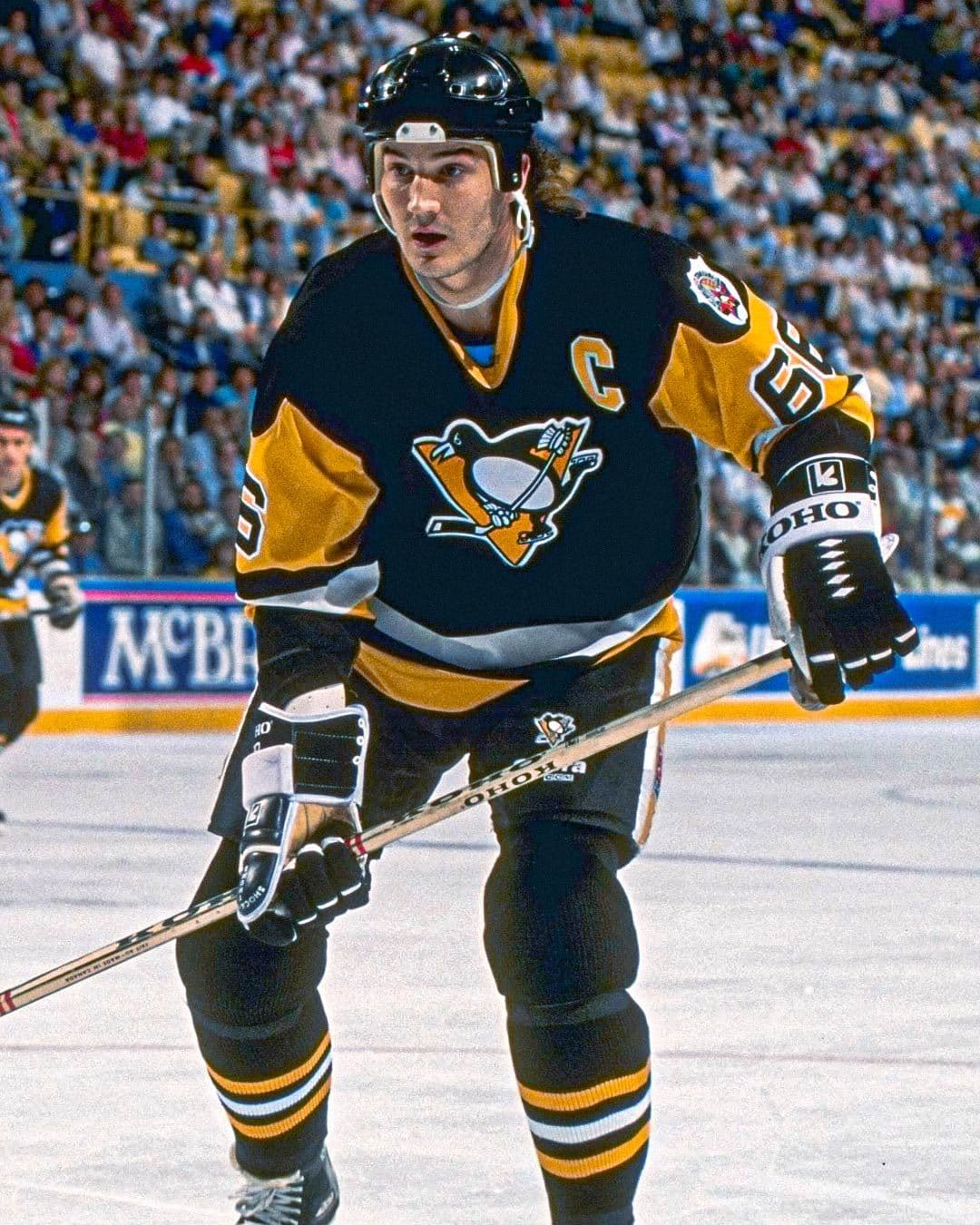
Jaromir Jagr
The Penguins’ superstar right wing claimed his third players’ award after another dominant scoring season, cementing his place as one of the NHL’s most feared forwards.
Pittsburgh Penguins

Jaromir Jagr
The Penguins’ captain led the league in scoring to capture his second players’ award, showcasing his elite skill and dominance at right wing.
Pittsburgh Penguins

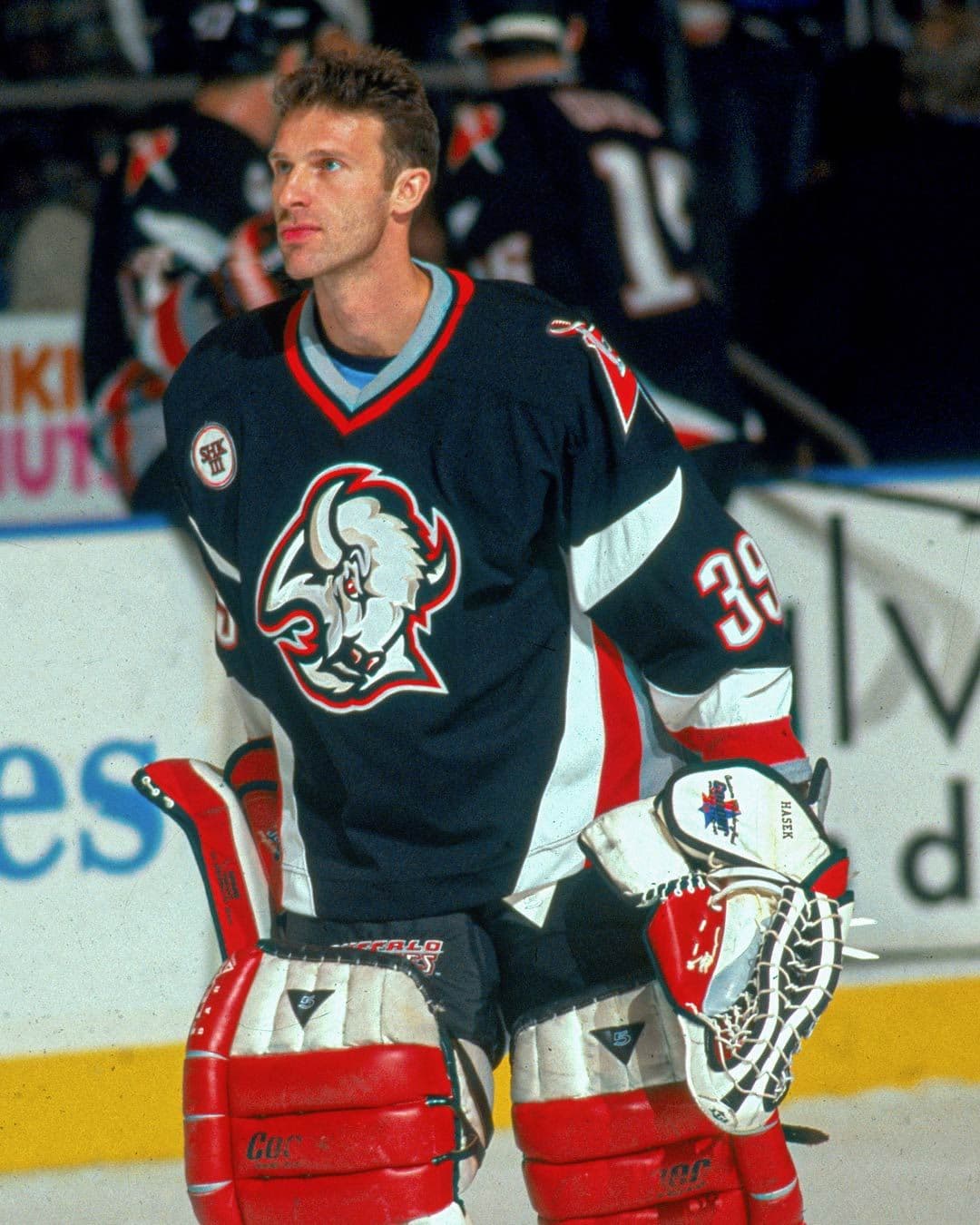
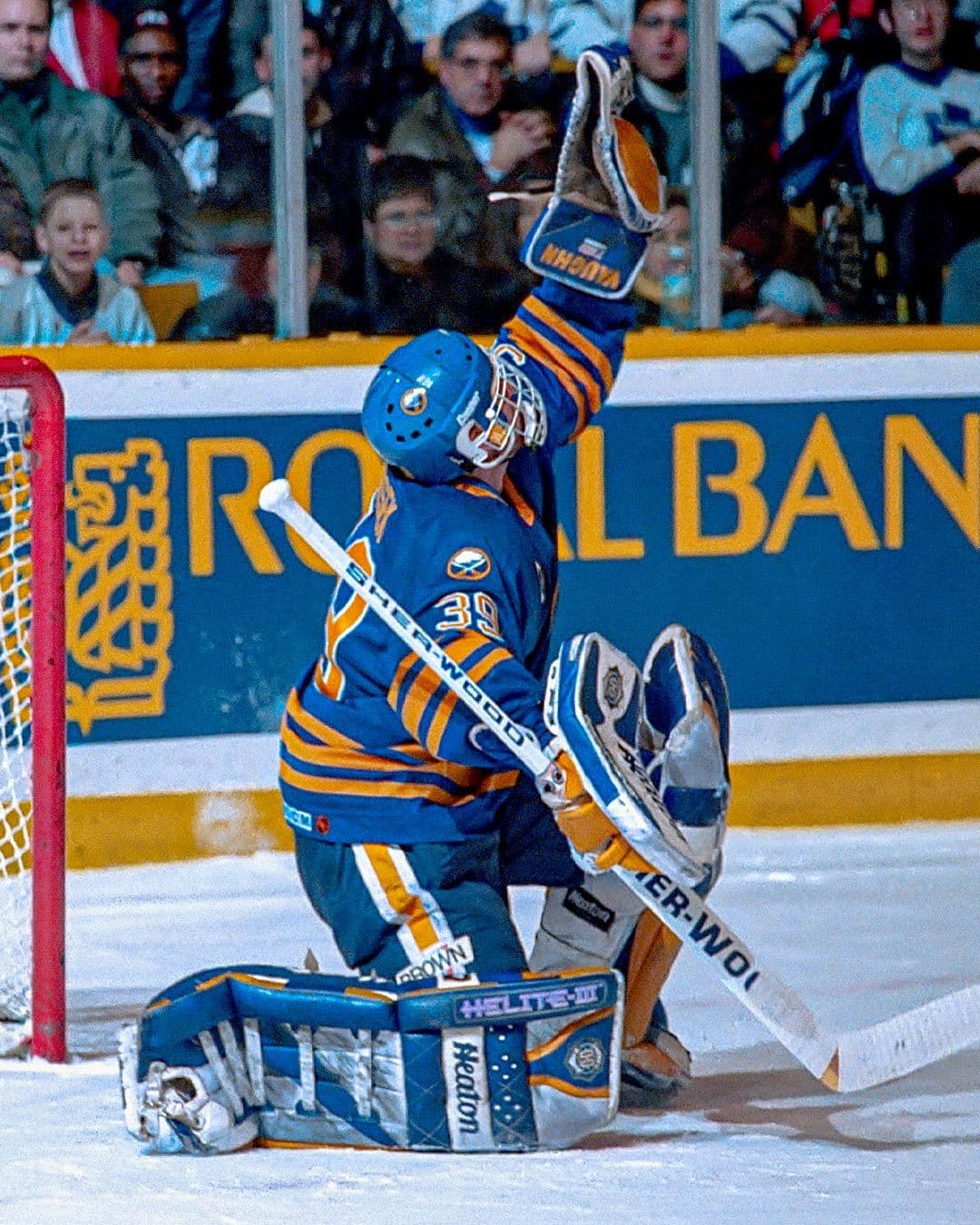
Dominik Hašek
Dominik Hasek captured his second consecutive Ted Lindsay Award in 1997-98 after another remarkable season with Buffalo. The Sabres’ goaltender led the league with a .932 save percentage and 13 shutouts, earning both the Hart and Vezina Trophies for the second year in a row.
Buffalo Sabres

Dominik Hašek
Dominik Hašek earned his first Ted Lindsay Award in 1996-97 after redefining goaltending with a .930 save percentage, 2.27 goals-against average, and seven shutouts in 67 games. His dominance also secured both the Hart and Vezina Trophies, making him the first goalie since Mike Liut (1981) to win the Lindsay.
Buffalo Sabres

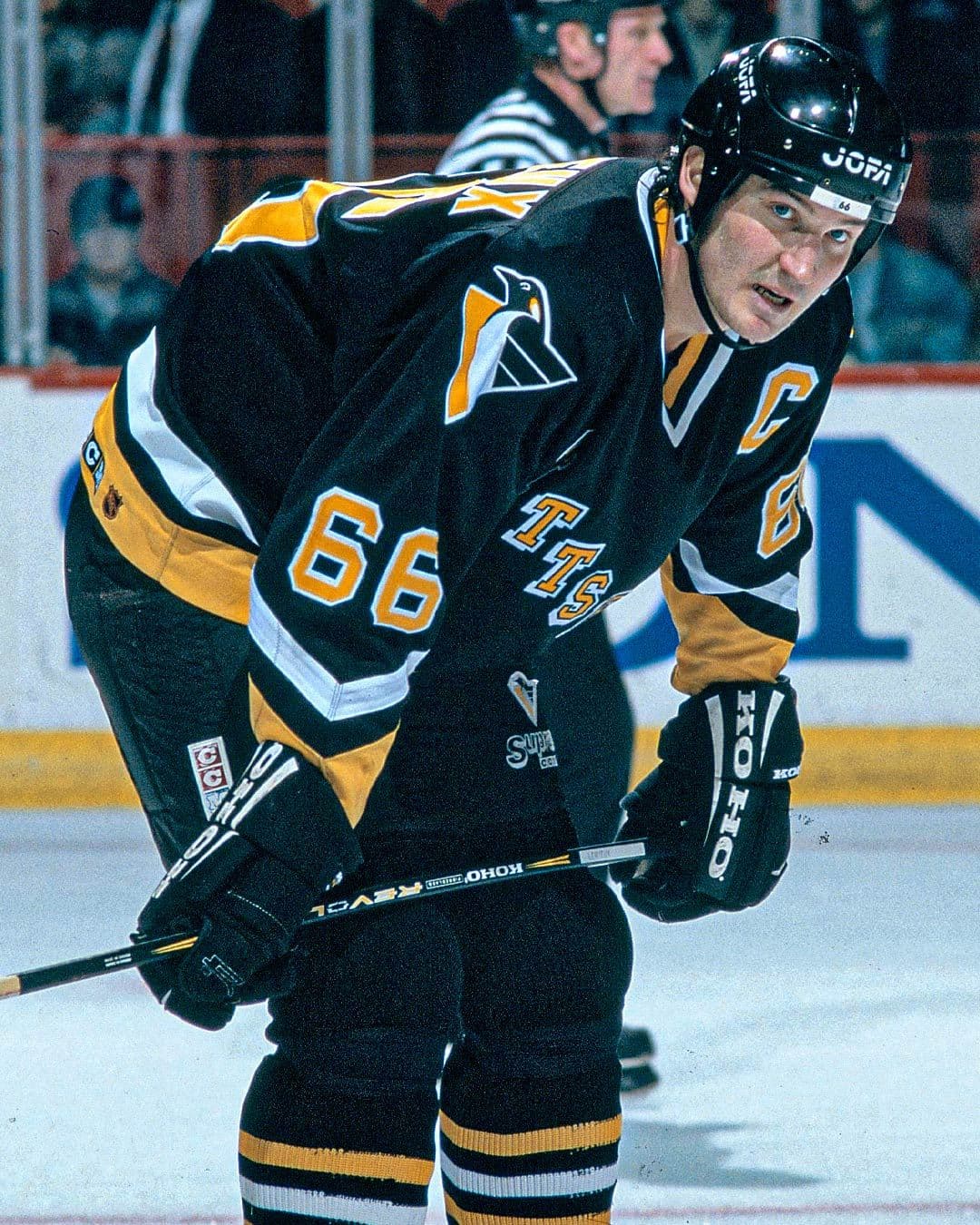
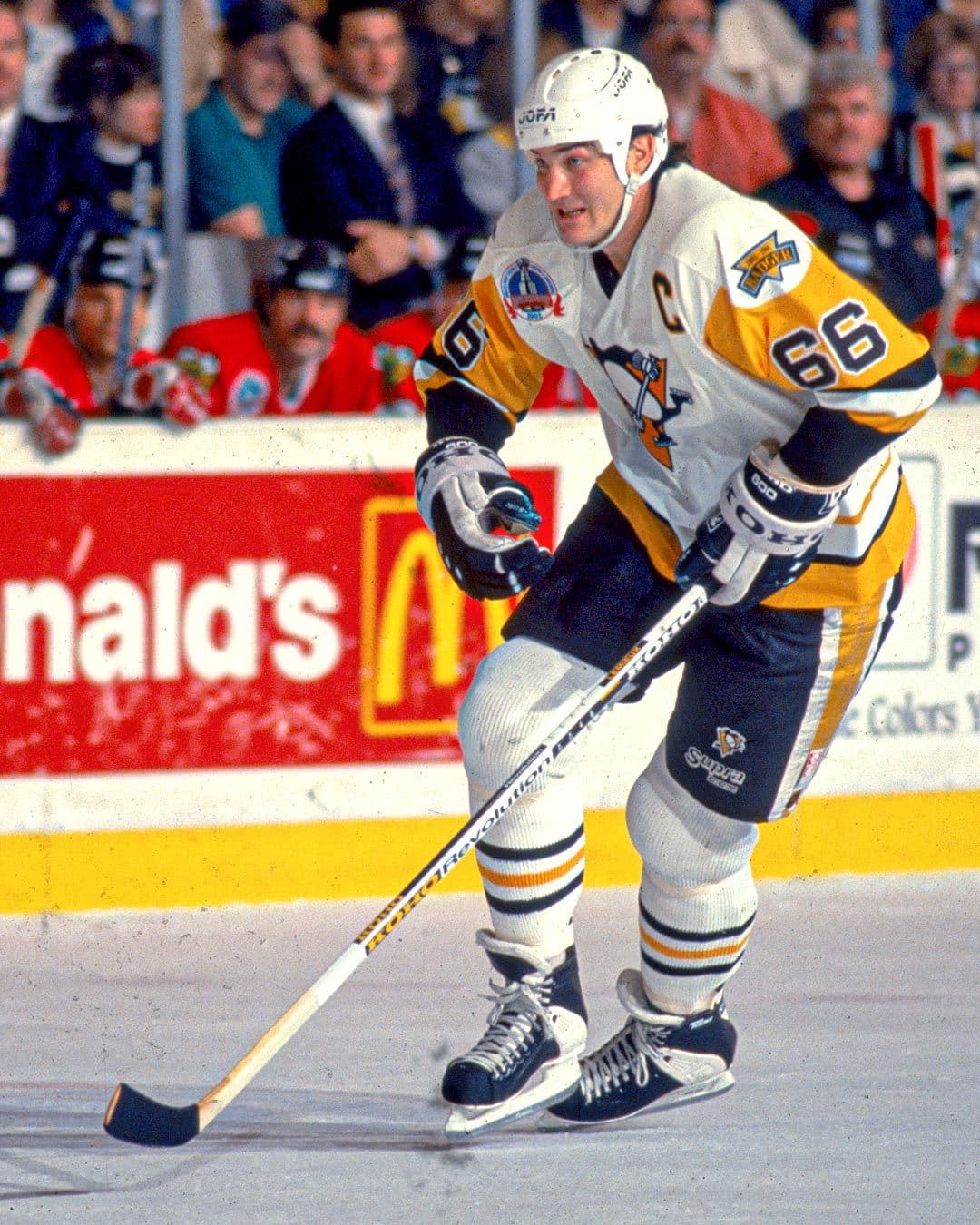
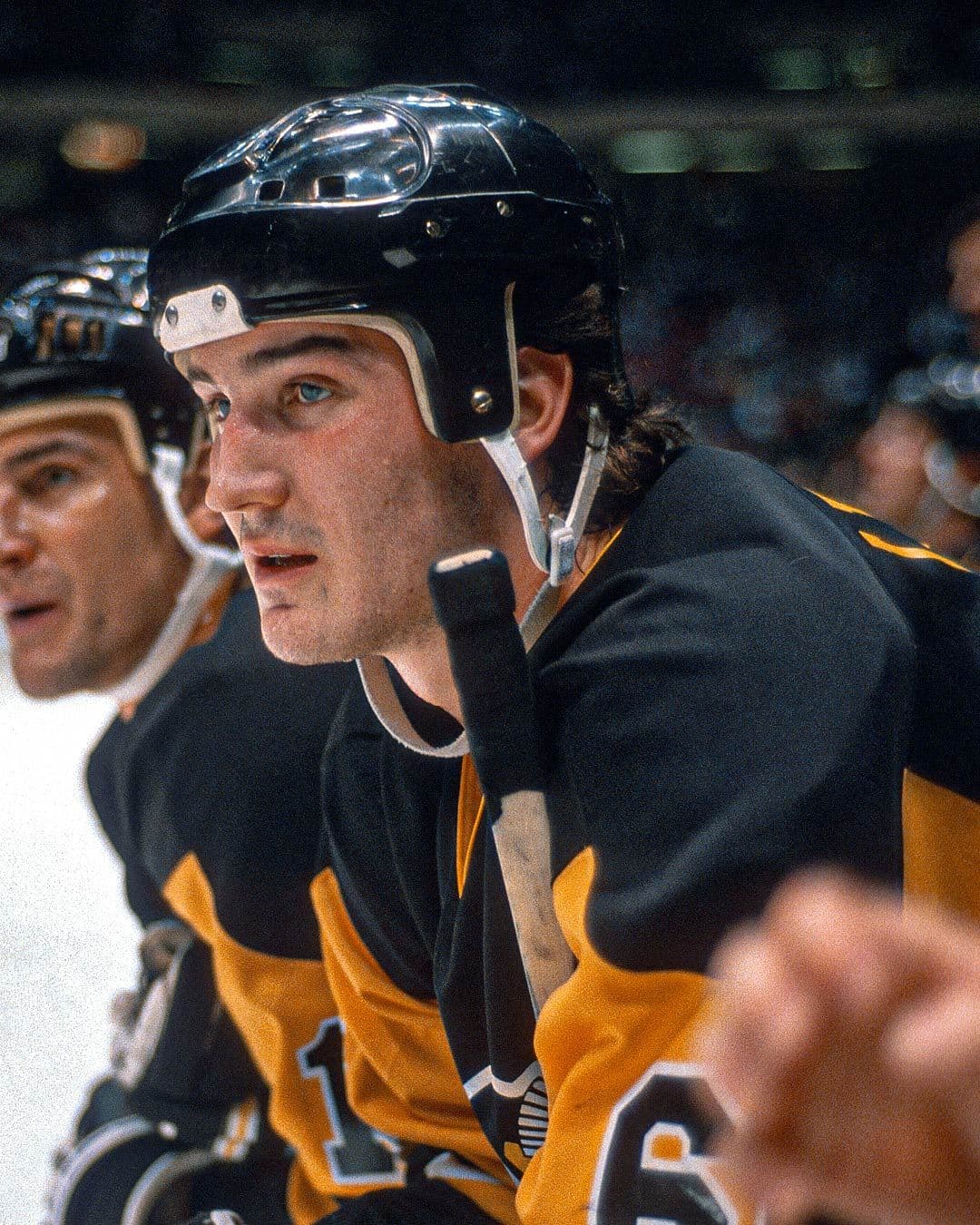
Mario Lemieux
Mario Lemieux returned from health setbacks to dominate 1995-96, leading the NHL with 69 goals, 92 assists, and 161 points. He also topped the league in power-play goals (31), power-play points (79), and shorthanded goals (8), earning his third Ted Lindsay Award in one of hockey’s greatest comeback seasons.
Pittsburgh Penguins

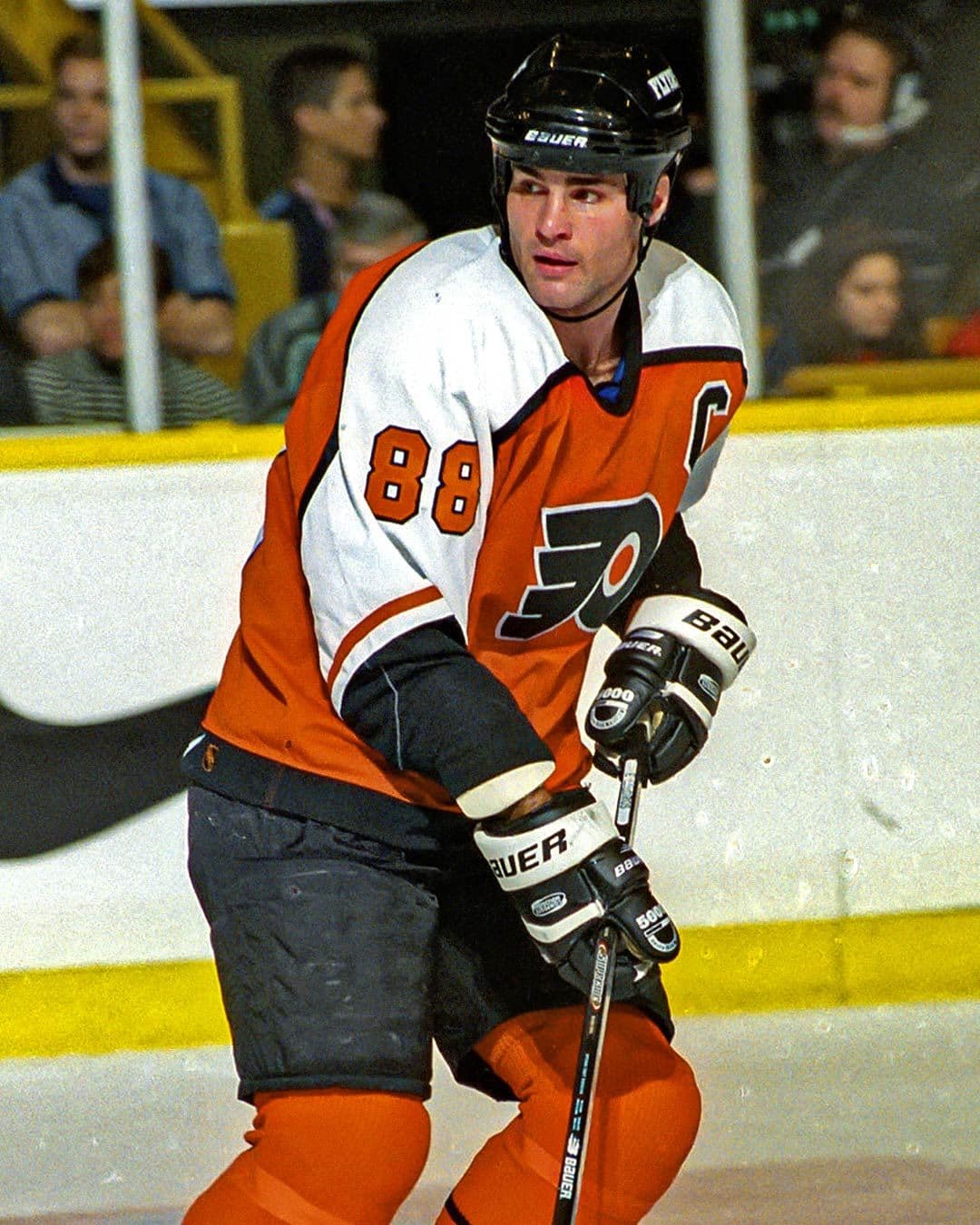
Eric Lindros
Eric Lindros earned his only Ted Lindsay Award in the lockout-shortened 1994-95 season, posting 29 goals and 41 assists in 46 games. He tied Jaromir Jagr for the scoring lead but claimed the Art Ross via goals tiebreaker, cementing himself at age 21 as one of the league’s dominant power forwards.
Philadelphia Flyers

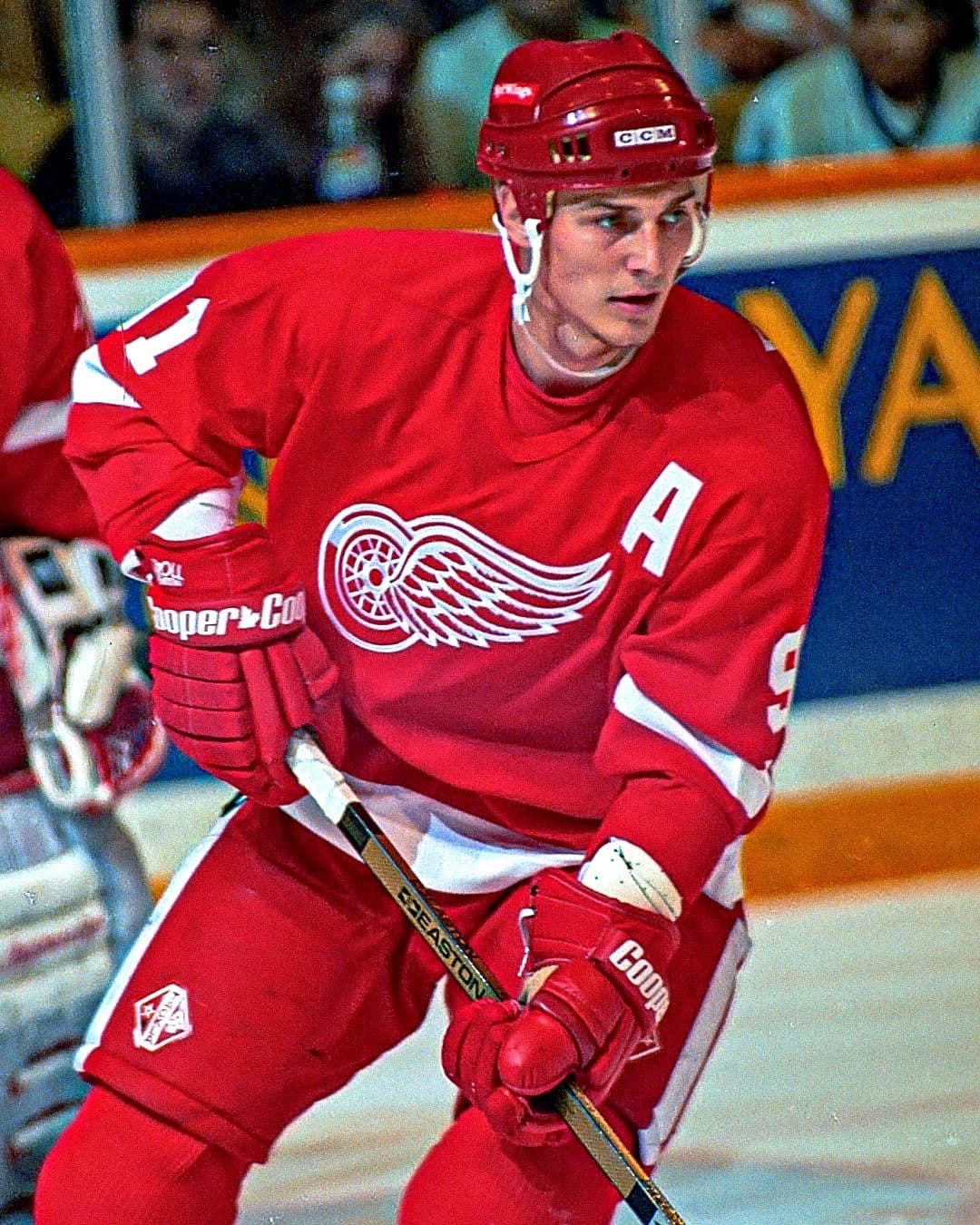
Sergei Fedorov
Sergei Fedorov won the 1993-94 Ted Lindsay Award with a career-best 120 points (56 goals, 64 assists). Combining elite offense with two-way play, he ranked second in goals, third in scoring, and led Detroit to a Presidents’ Trophy. He was the first Russian-born player to win the award.
Detroit Red Wing

Mario Lemieux
Despite missing 24 games to illness, Mario Lemieux scored 69 goals and 91 assists for 160 points in only 60 games. His 2.67 points-per-game remains the best of the modern era. Lemieux’s comeback run, highlighted by a 17-game point streak after treatment, earned him his second Most Outstanding Player Award.
Pittsburgh Penguins

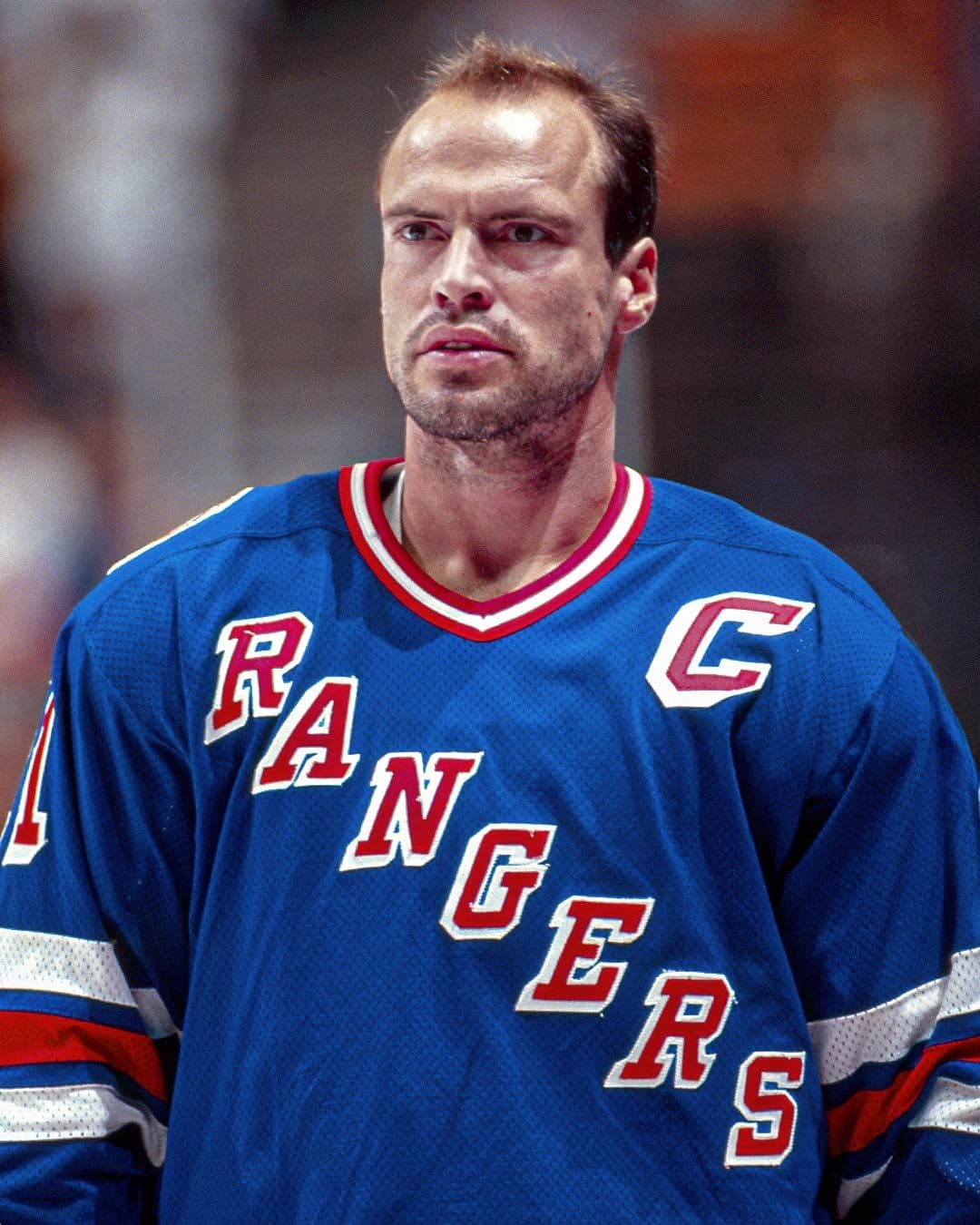
Mark Messier
In his first season with the Rangers, Mark Messier tallied 35 goals and 107 points to lead New York to the Presidents’ Trophy. His leadership made him one of only two players to win the award with multiple franchises.
New York Rangers

Brett Hull
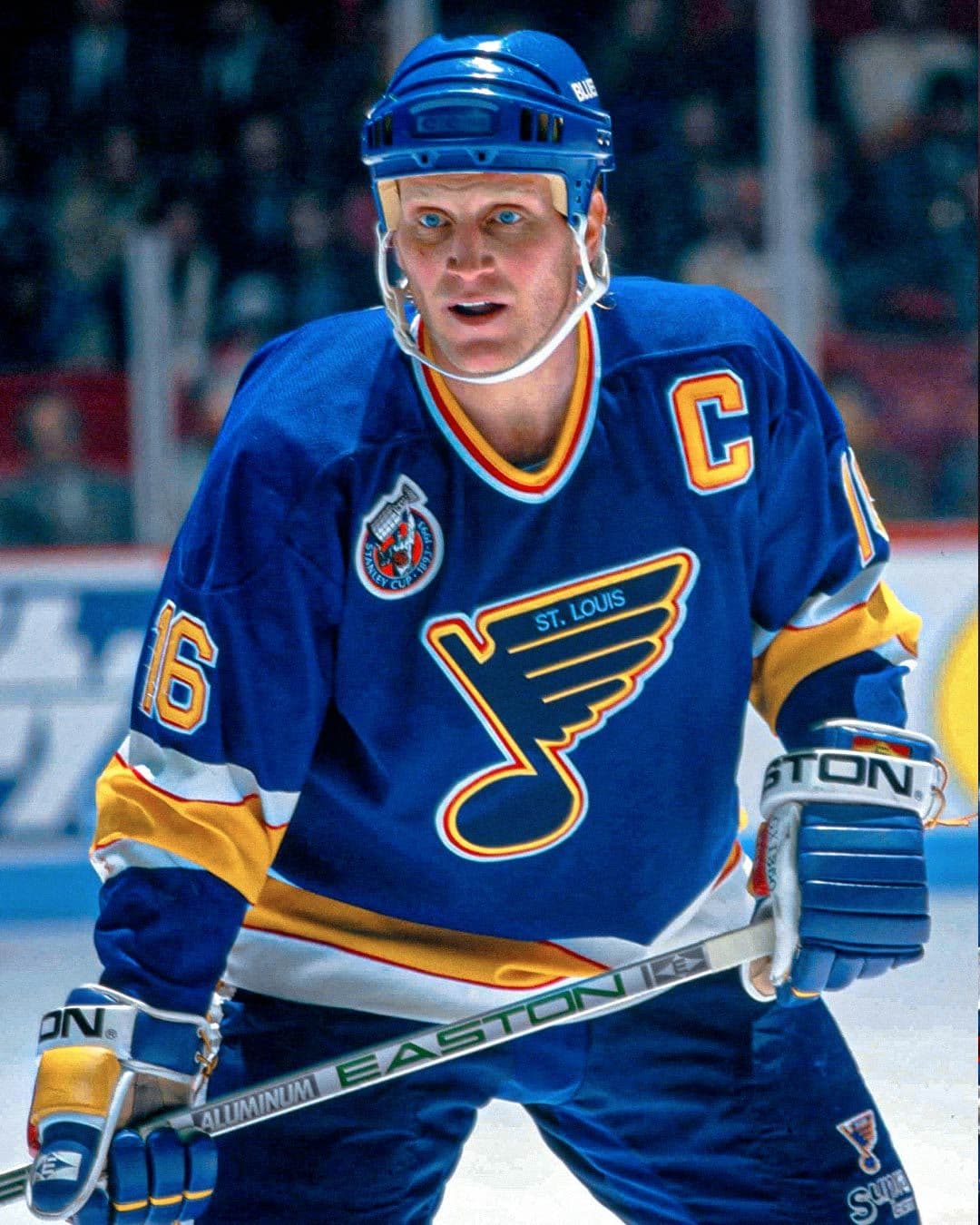
Brett Hull won the 1990-91 Award after scoring 86 goals — the third-highest single-season total in NHL history. He added 45 assists for 131 points, leading the league in power-play goals (29) and game-winners (11).
St. Louis Blues

Mark Messier
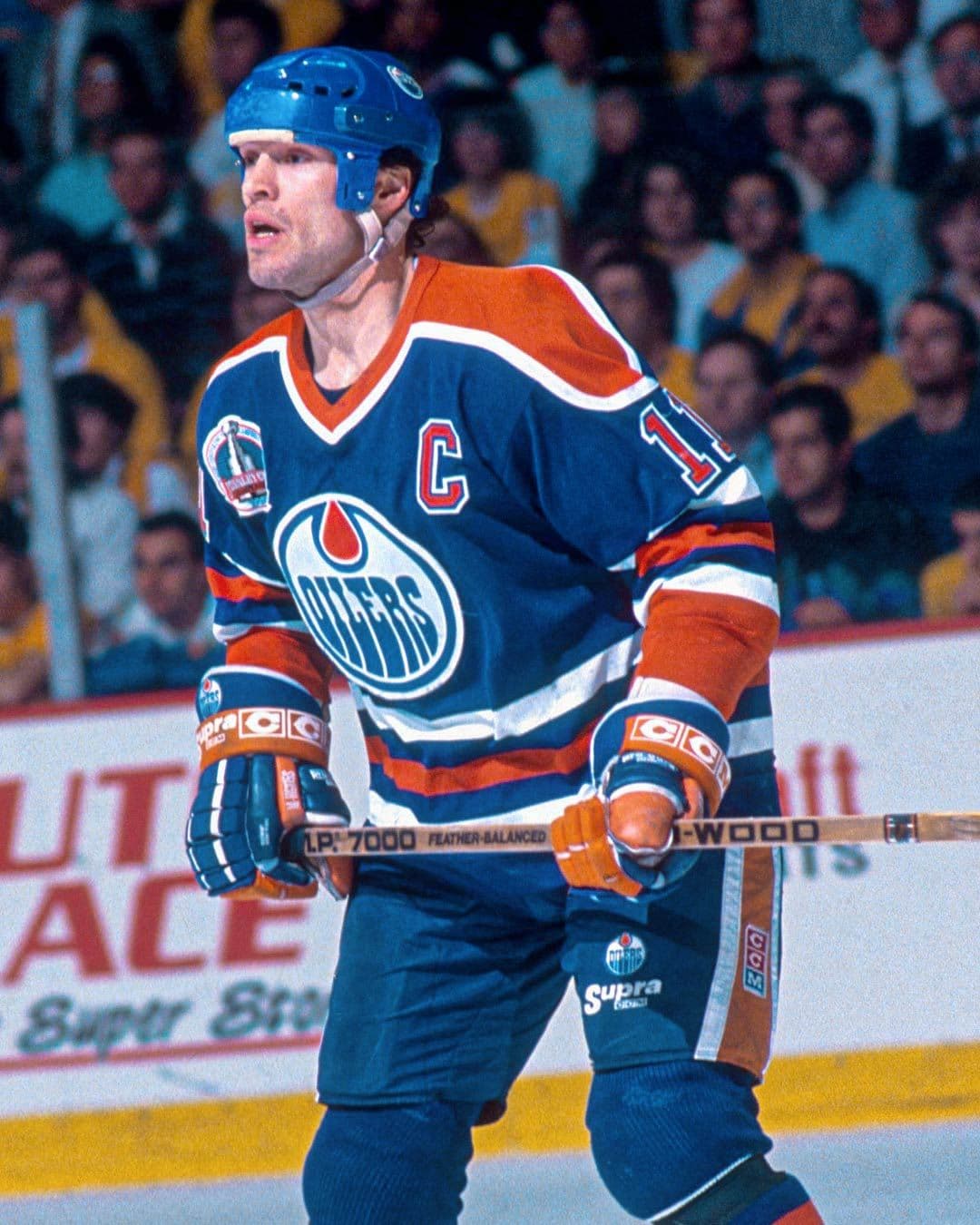
Mark Messier won his first Ted Lindsay Award in 1989-90, scoring 45 goals and 129 points after Gretzky’s departure. He finished second in league scoring and led the Oilers to another Stanley Cup, also earning the Conn Smythe Trophy.
Edmonton Oilers

Steve Yzerman
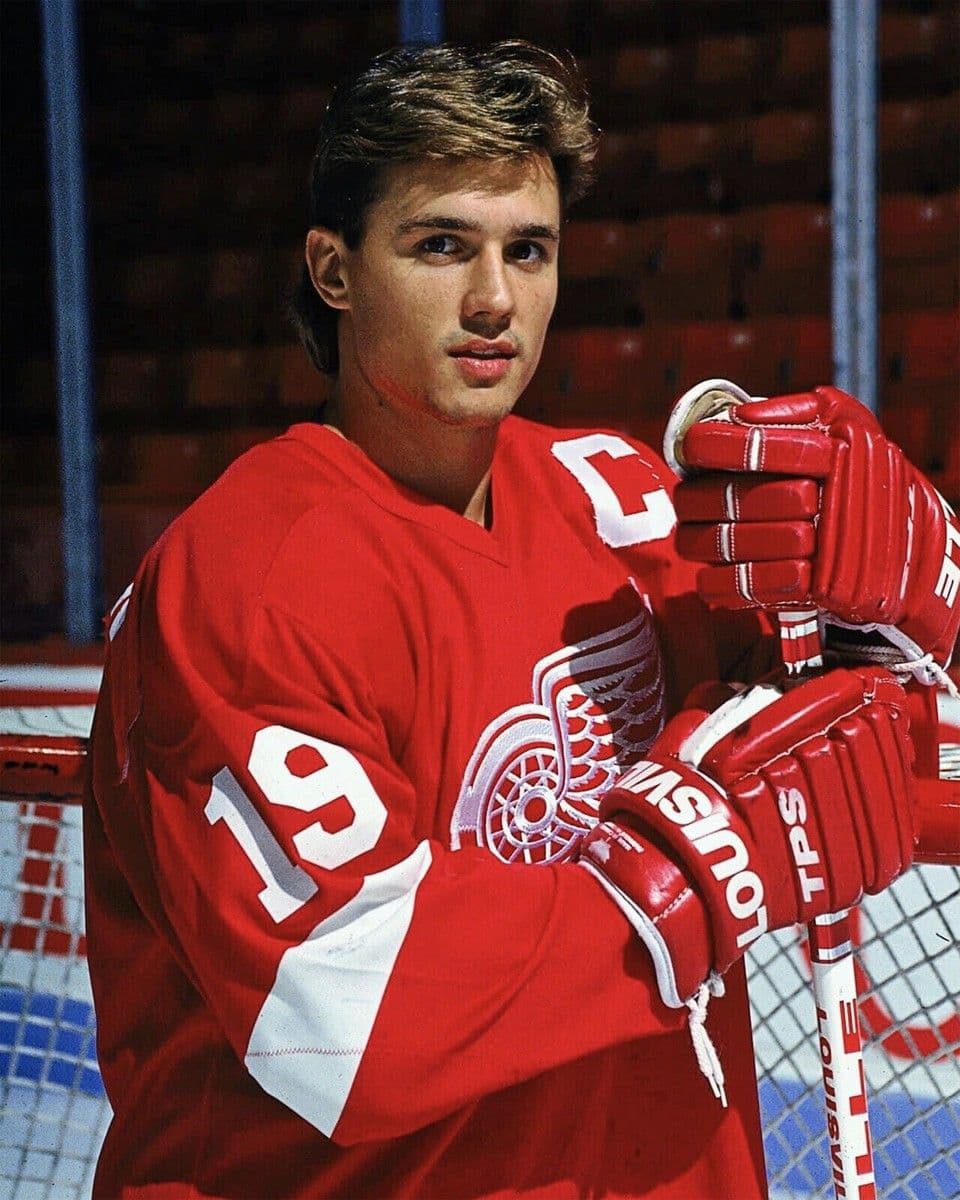
The Red Wings’ captain exploded for 155 points, earning his first players’ award and establishing himself as one of the NHL’s premier offensive forces.
Detroit Redwings

Mario Lemieux
The Penguins’ superstar tallied 168 points to dethrone Gretzky, winning his second players’ award and confirming his place among the game’s all-time greats.
Pittsburgh Penguins

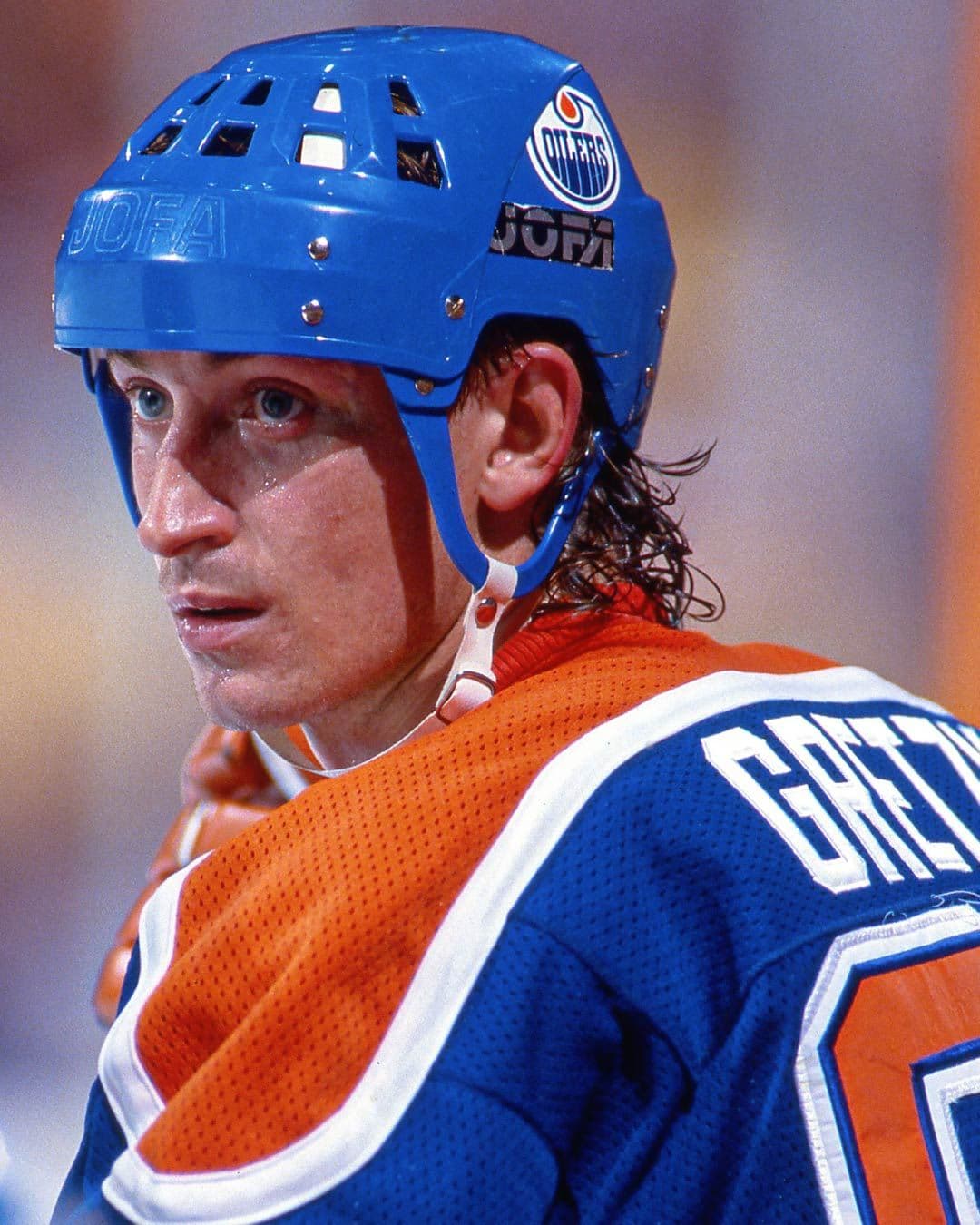
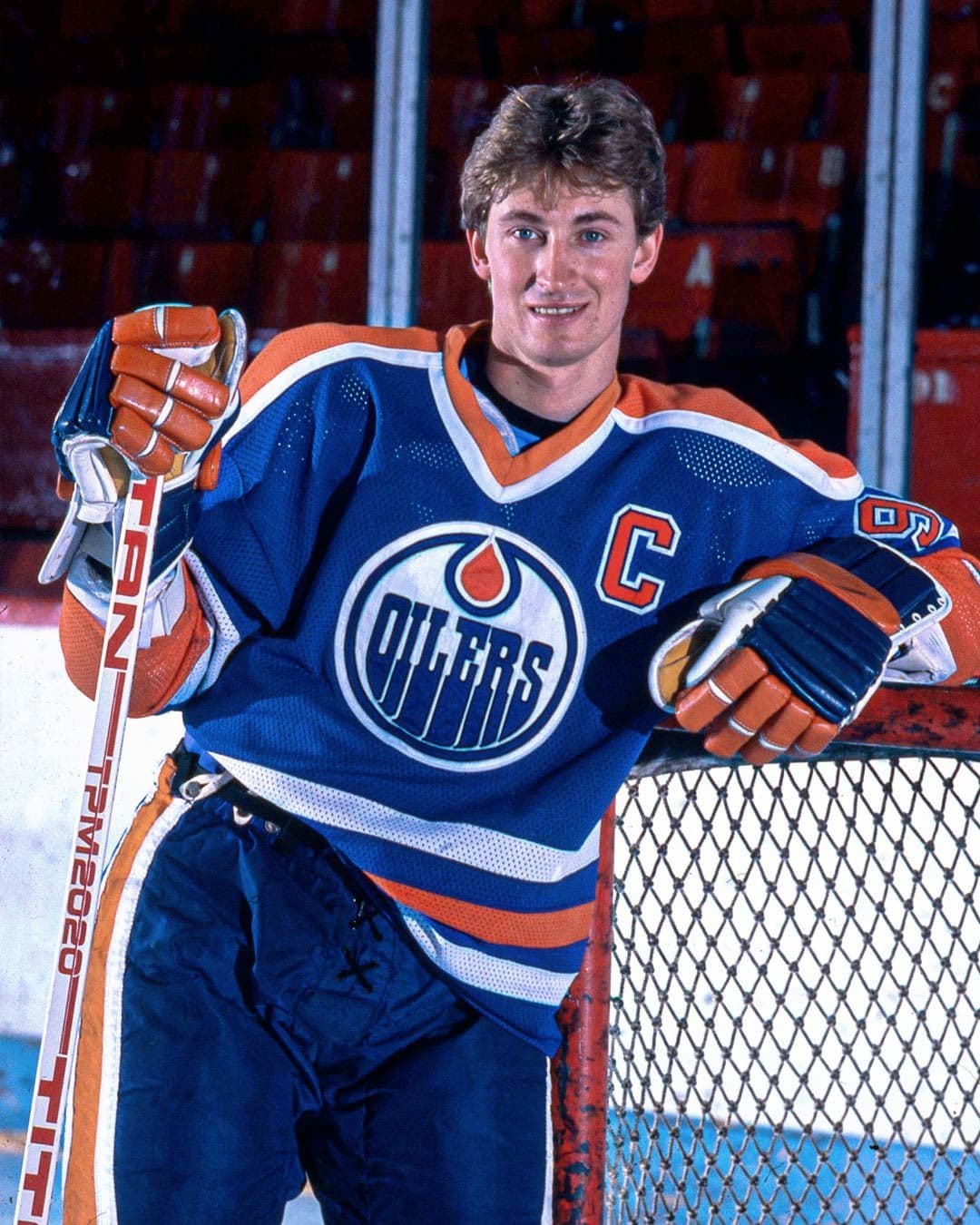
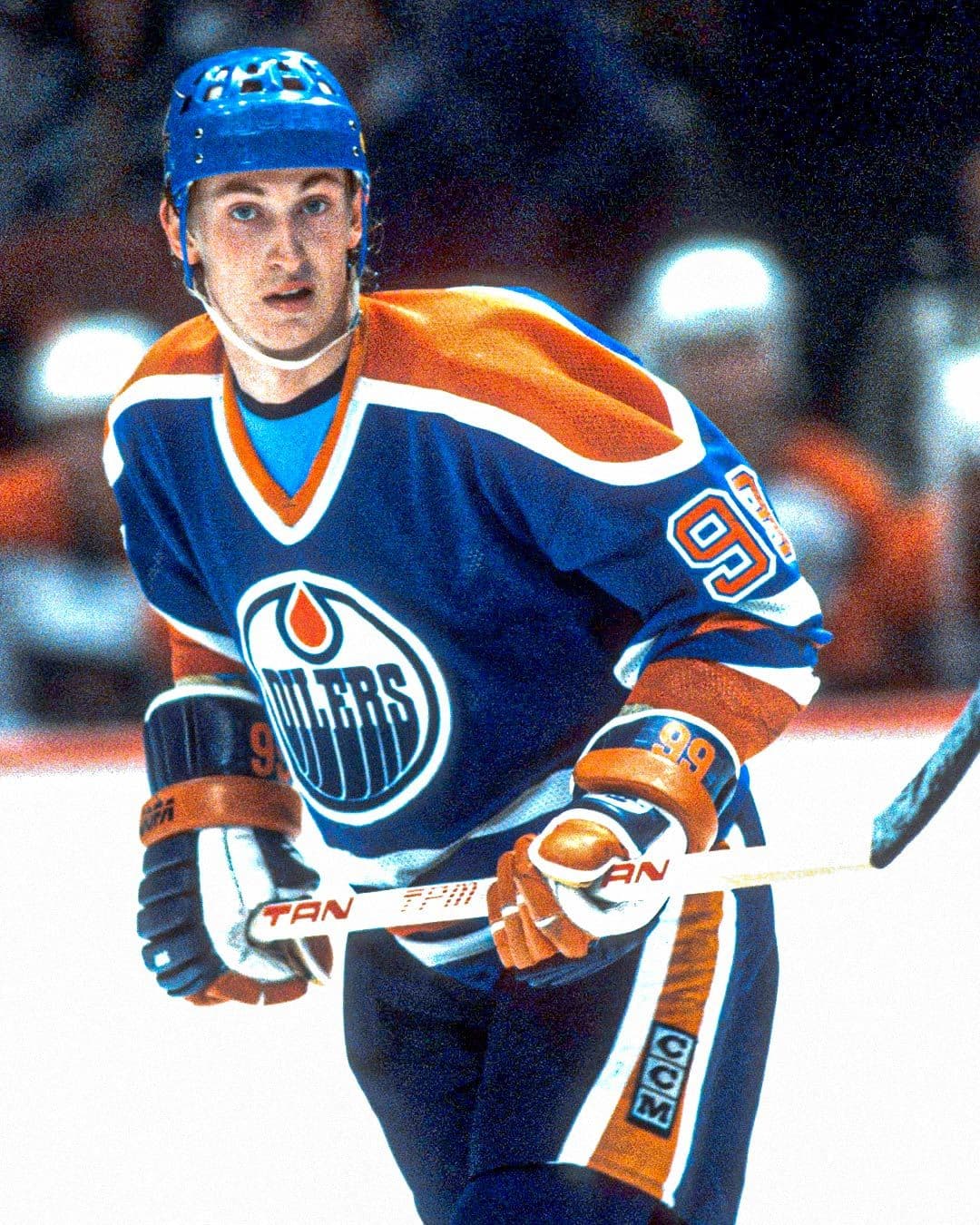
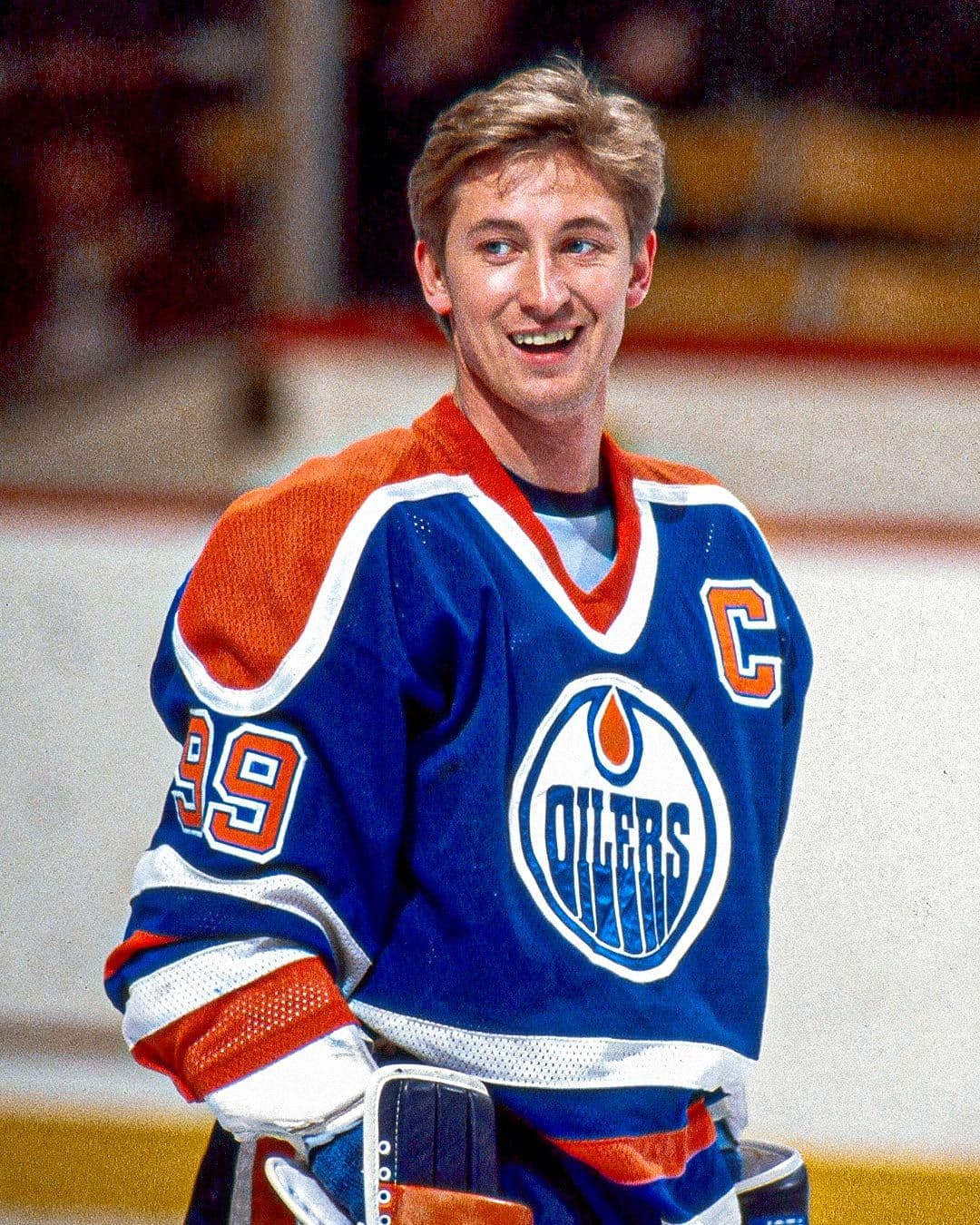
Wayne Gretzky
Wayne Gretzky earned his fourth straight Lester B. Pearson Award in 1986-87 with 62 goals and 183 points. He led the league in assists, points, and plus-minus, powering the Oilers to their third Stanley Cup in four years.
Edmonton Oilers

Mario Lemieux
At 20, Mario Lemieux won his first Lester B. Pearson Award with 48 goals and 141 points in his second NHL season, becoming the youngest player to claim the honour.
Pittsburgh Penguins

Wayne Gretzky
In 1984-85, Wayne Gretzky scored 73 goals and 208 points, leading the league in every major category and winning his third straight Ted Lindsay Award.
Edmonton Oilers

Wayne Gretzky
In 1983-84, Wayne Gretzky tallied 87 goals and 205 points to win his second Lester B. Pearson Award, leading the Oilers to their first Stanley Cup.
Edmonton Oilers

Wayne Gretzky
The Oilers’ superstar set another points record with 196, capturing his second straight players’ award and extending his reign as hockey’s offensive king.
Edmonton Oilers

Wayne Gretzky
The Oilers’ phenom shattered records with 92 goals and 212 points, capturing his first players’ award and redefining offensive dominance.
Edmonton Oilers

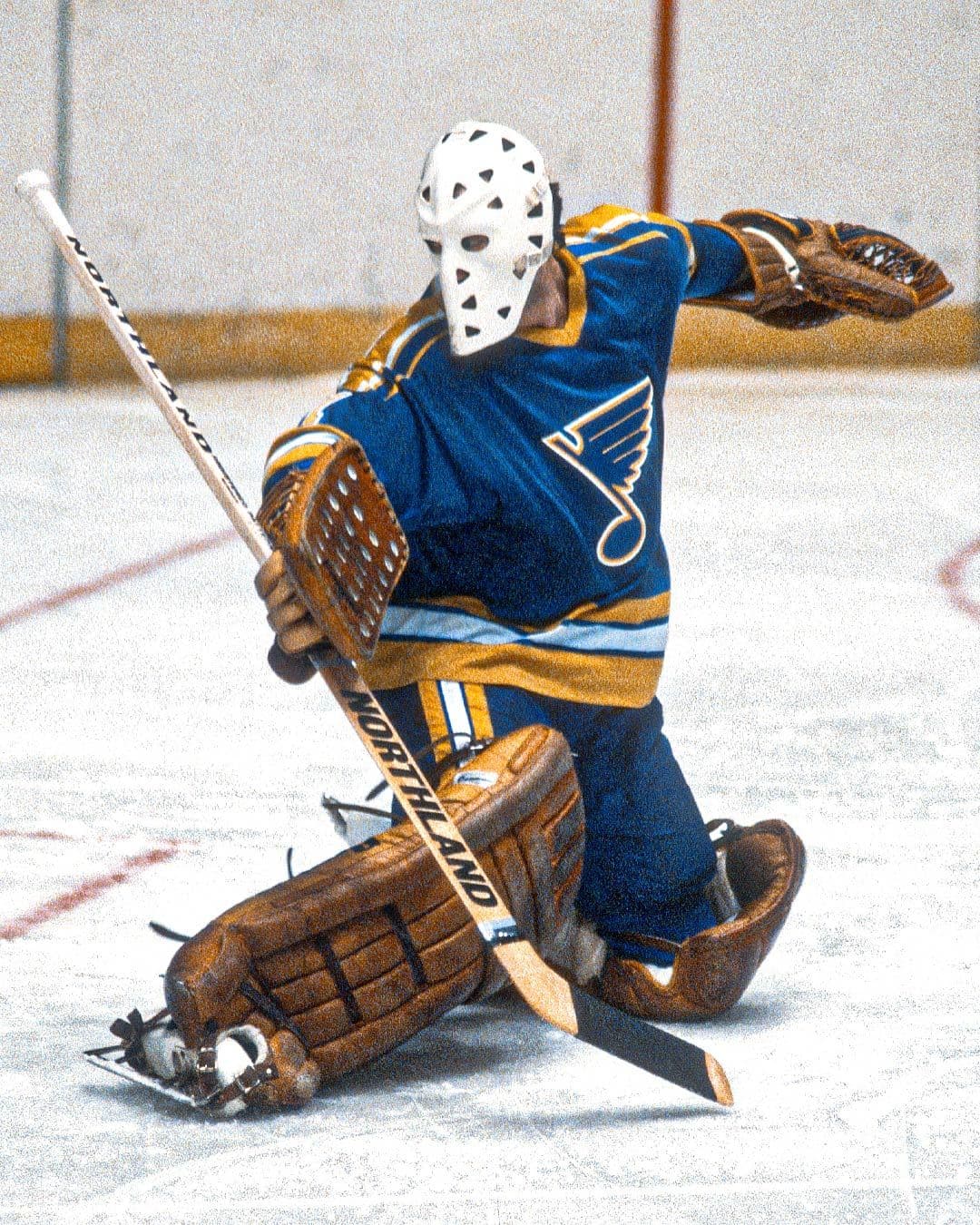
Mike Liut
The Blues’ standout goaltender earned his first players’ award after a stellar season, backstopping St. Louis with consistency and all-star play.
St. Louis Blues

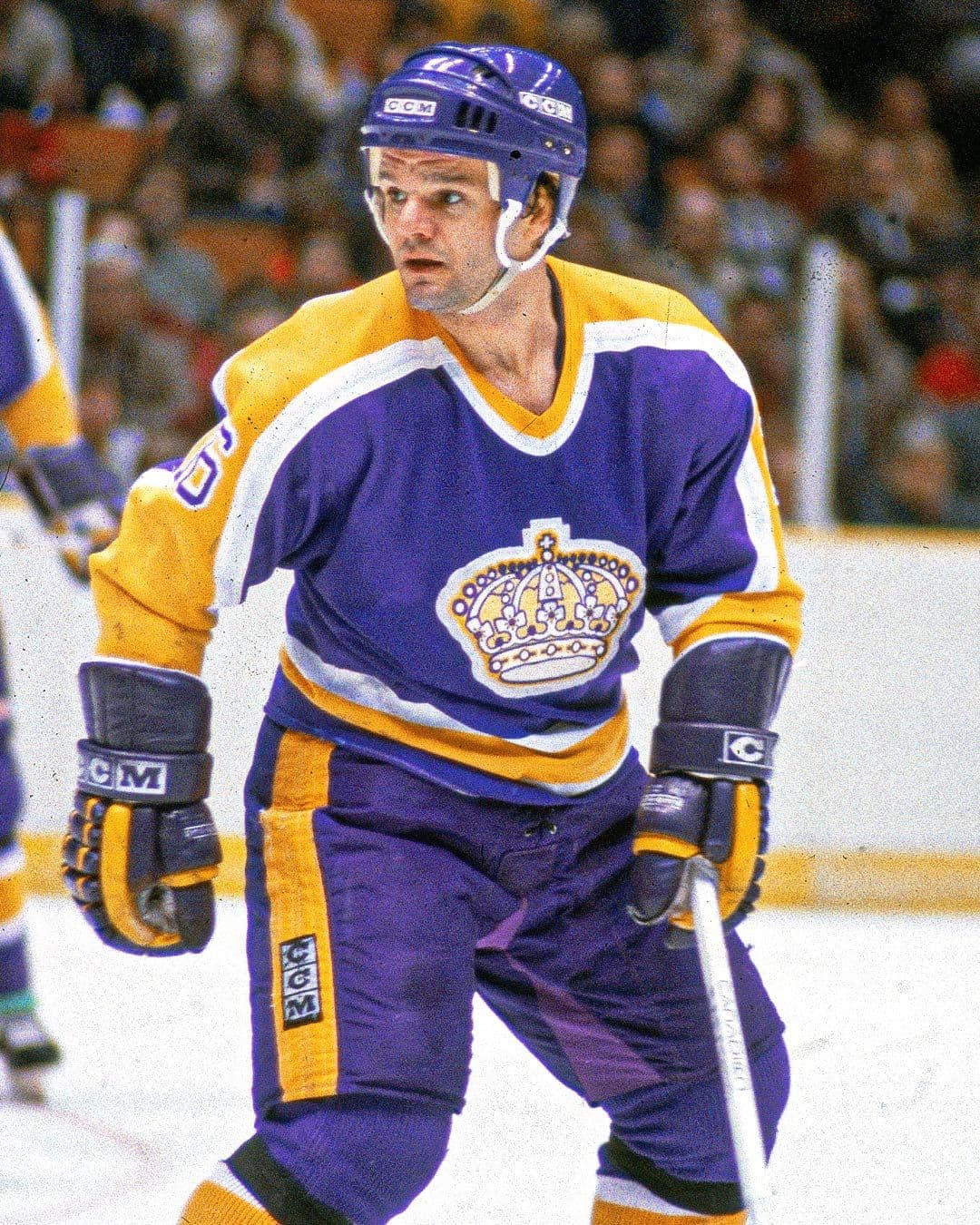
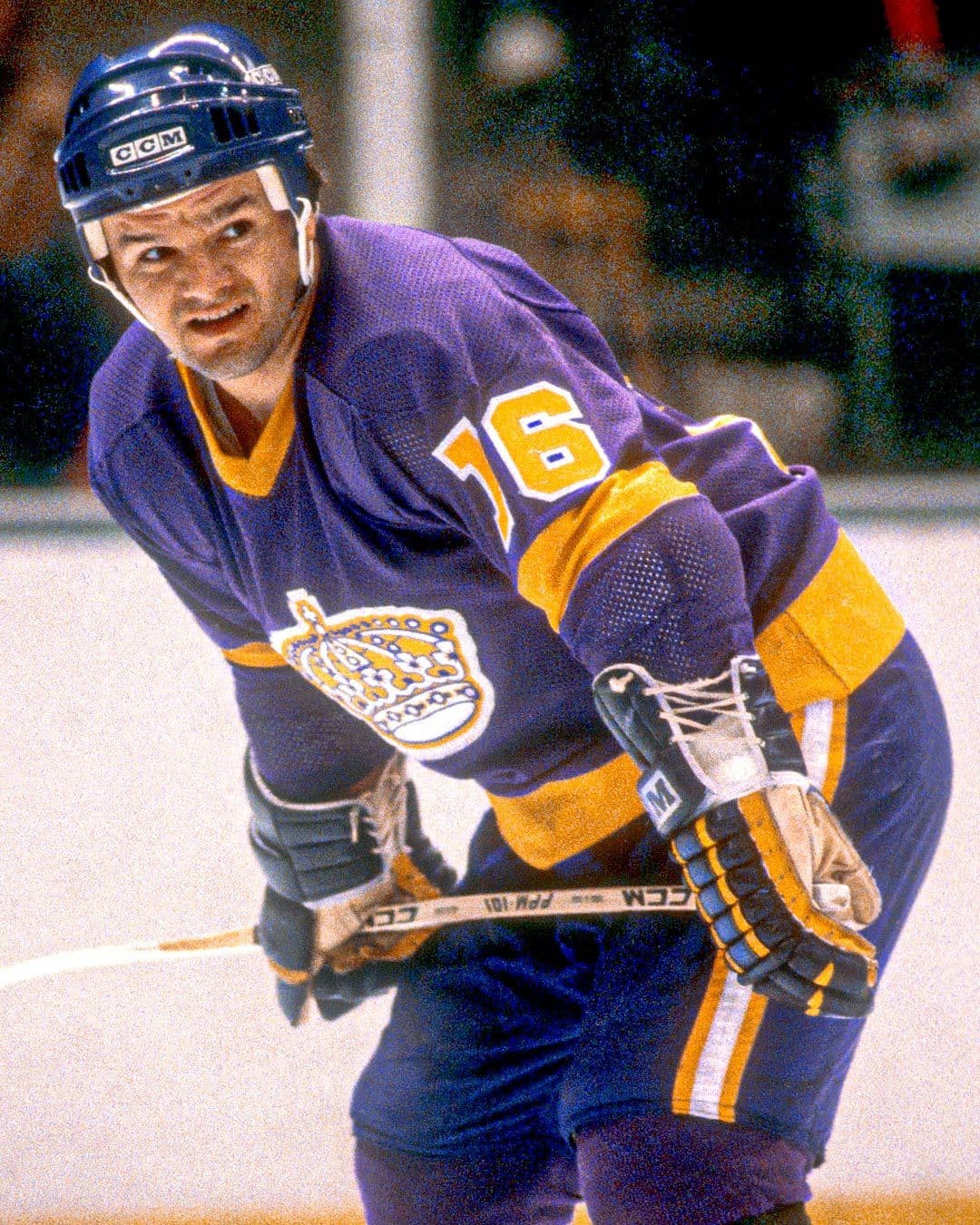
Marcel Dionne
The Kings’ prolific centre secured his second straight players’ award, leading the league in scoring and cementing his place among the NHL’s elite.
Los Angeles Kings

Marcel Dionne
The Kings’ star centre captured his first players’ award after a brilliant season, finishing among the league’s scoring leaders with his trademark consistency.
Los Angeles Kings

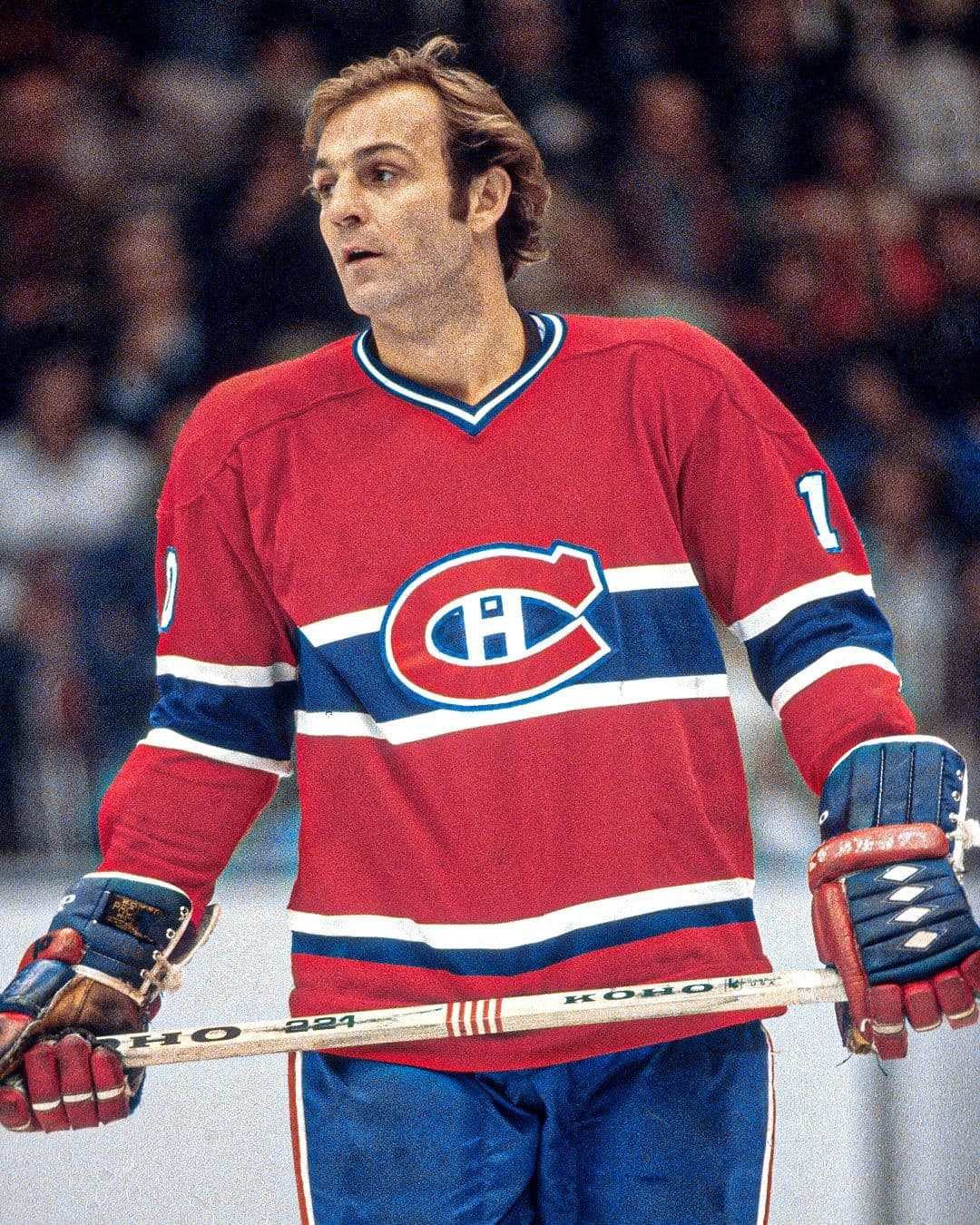
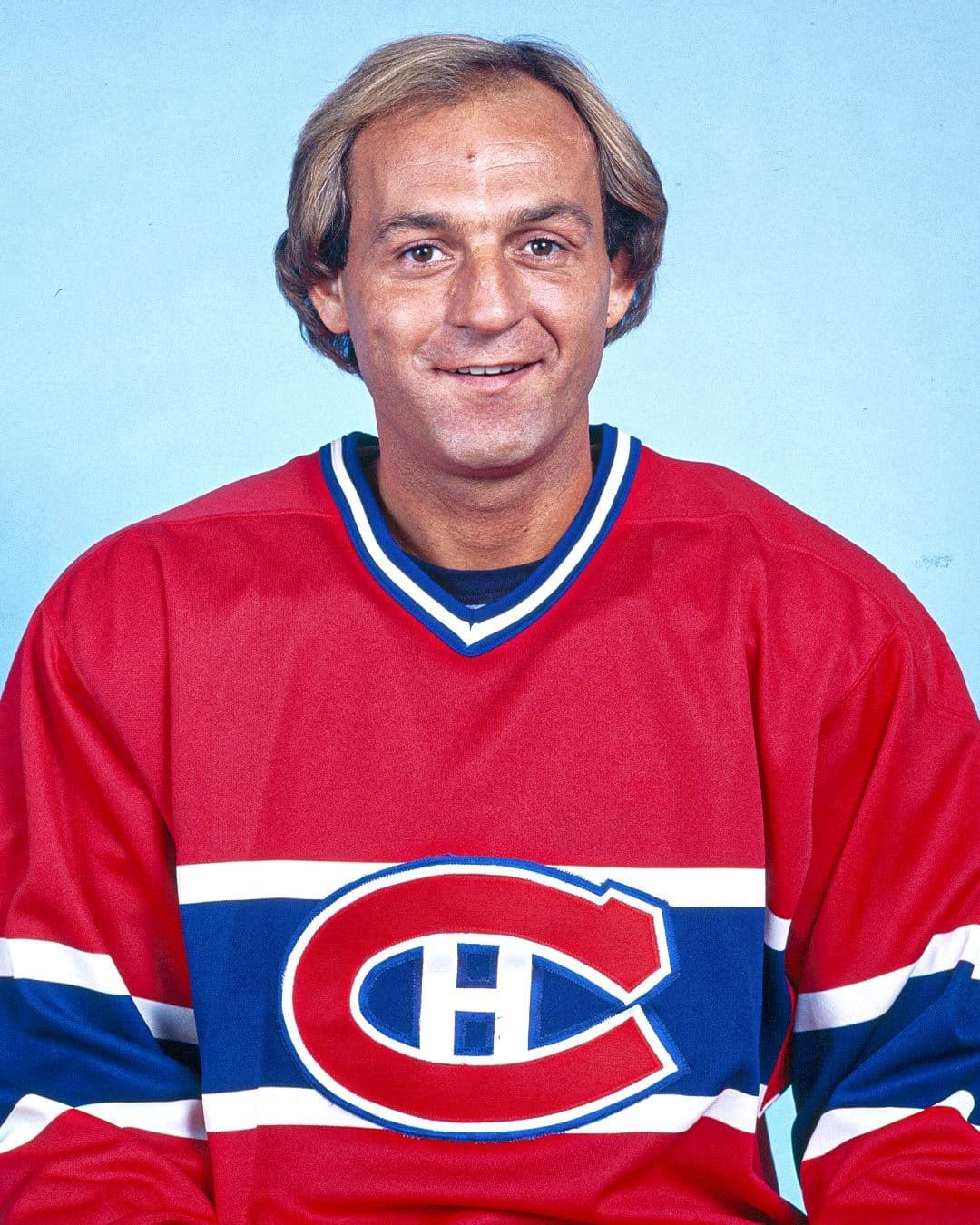
Guy Lafleur
Guy Lafleur's 60 goals tied Steve Shutt for the Canadiens' club record, which he combined with 72 assists for 132 points. This was the fourth of six consecutive seasons that Lafleur scored 50 or more goals and over 100 points, which ultimately made him the first player in NHL history to reach the scoring benchmarks in six straight seasons.
Montreal Canadiens

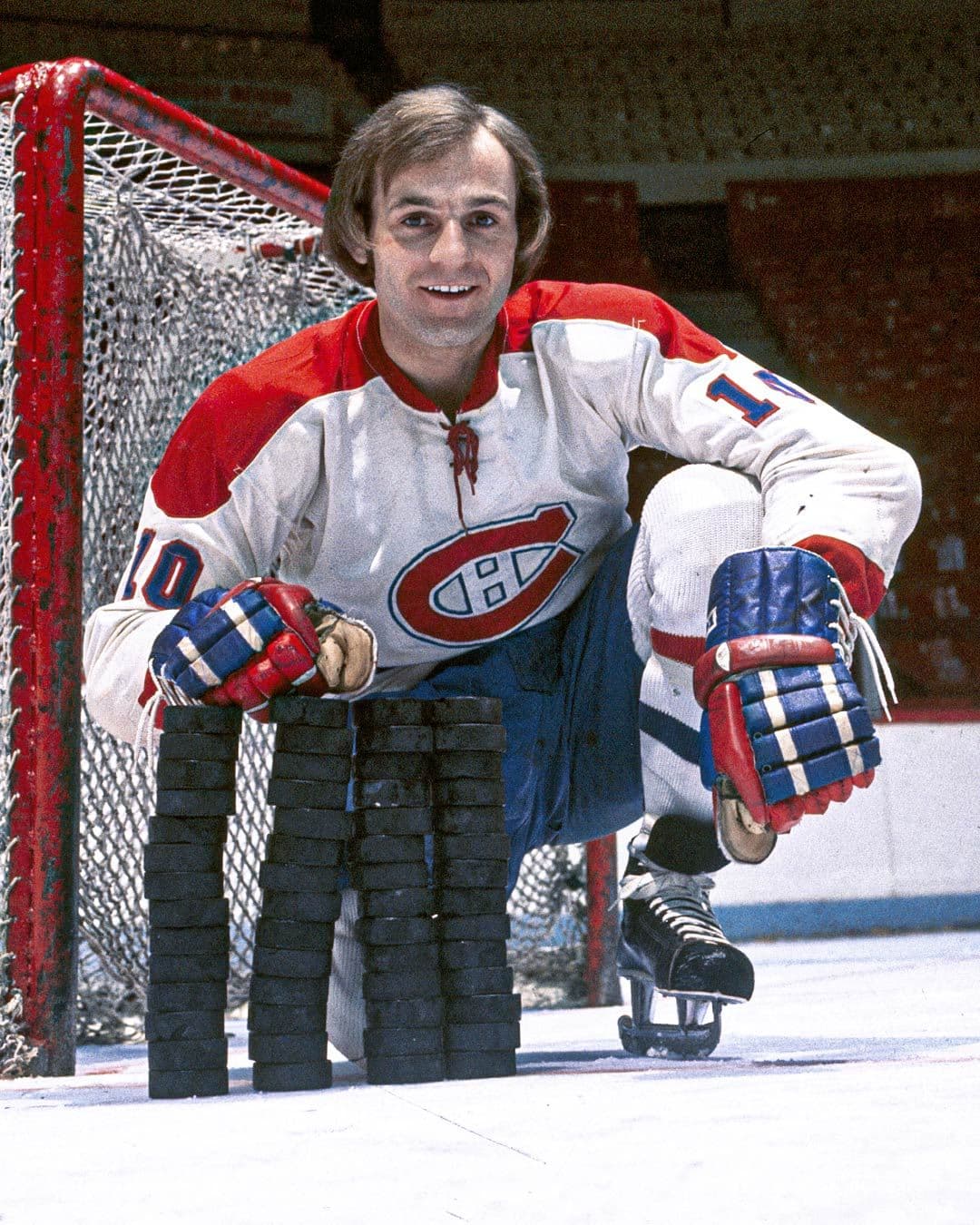
Guy Lafleur
"The Flower" blossomed into quite a playmaker, registering a career-high 80 assists to go with 56 goals for a franchise-record 136 points. Guy Lafleur continued to set up his teammates in the playoffs with 17 more helpers in 14 outings and also won the Conn Smythe Trophy.
Montreal Canadiens

Guy Lafleur
Guy Lafleur won his first of three straight Art Ross Trophy scoring titles. The smooth-skating right winger was also voted "most outstanding player" by his peers for each of these first three consecutive seasons. He scored 56 goals and 125 points and went on to win his second career Stanley Cup for the first of four consecutive team championships. Midway through this season Lafleur and the Habs played to a 3-3 draw against the Soviet Red Army on New Year's Eve in a game considered one of the best in hockey history.
Montreal Canadiens

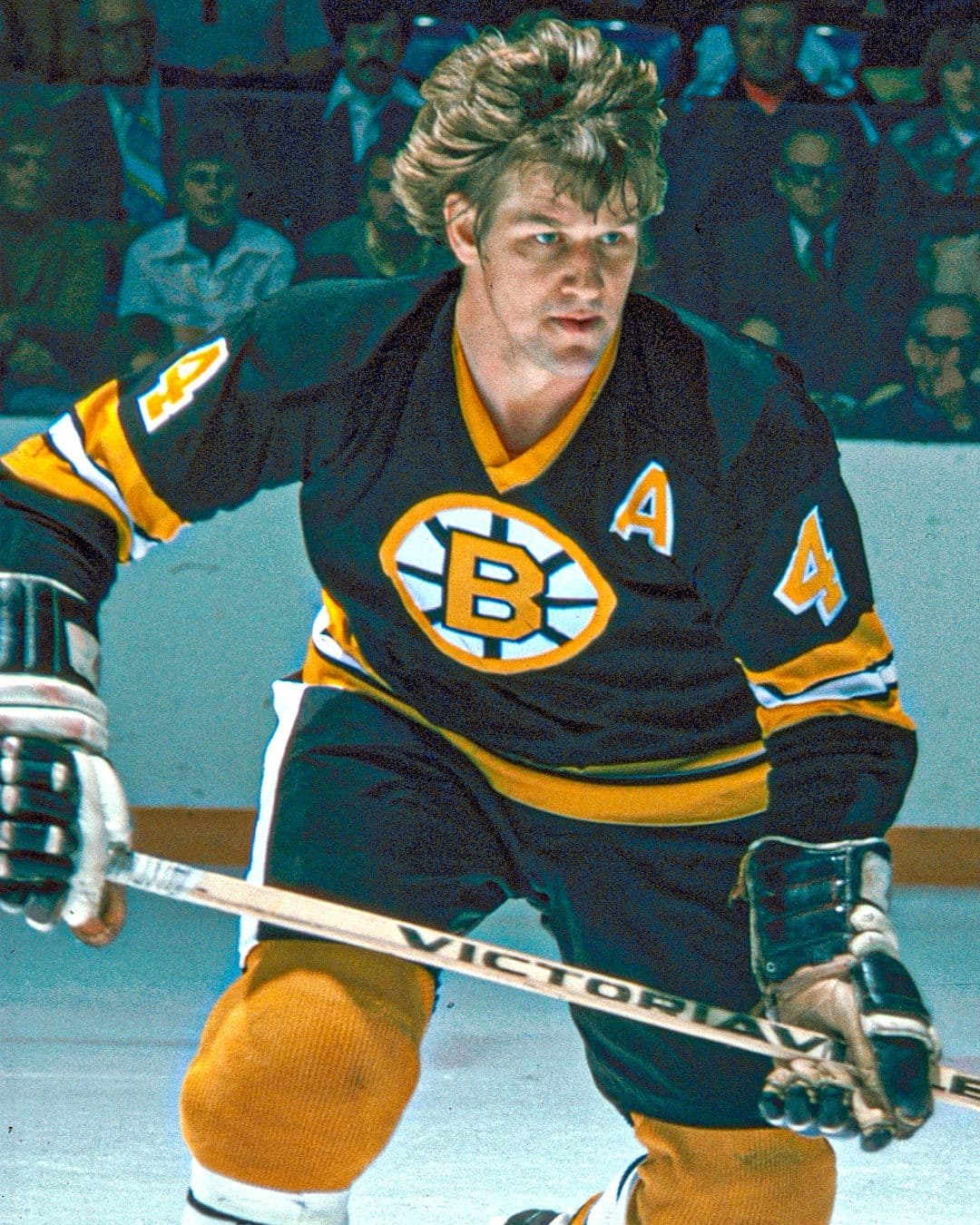
Bobby Orr
Bobby Orr claimed the 1974-75 Lester B. Pearson Award with 46 goals and 135 points, becoming the only defenseman ever to win the honour.
Boston Bruins

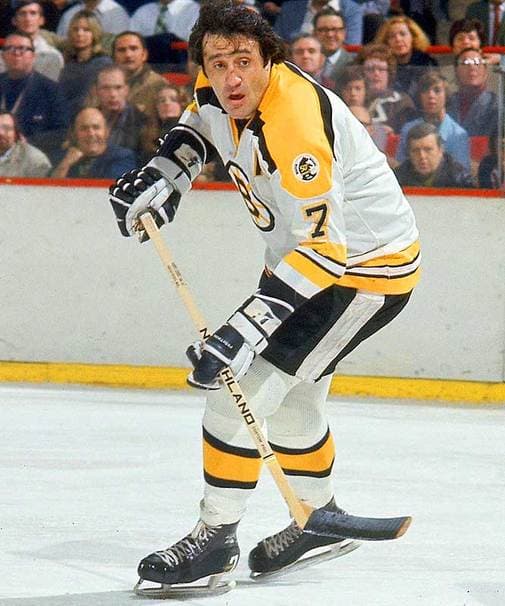
Phil Esposito
Phil Esposito earned the 1973-74 Lester B. Pearson Award with 68 goals and 145 points, leading the NHL in scoring for the third straight year.
Boston Bruins

Bobby Clarke
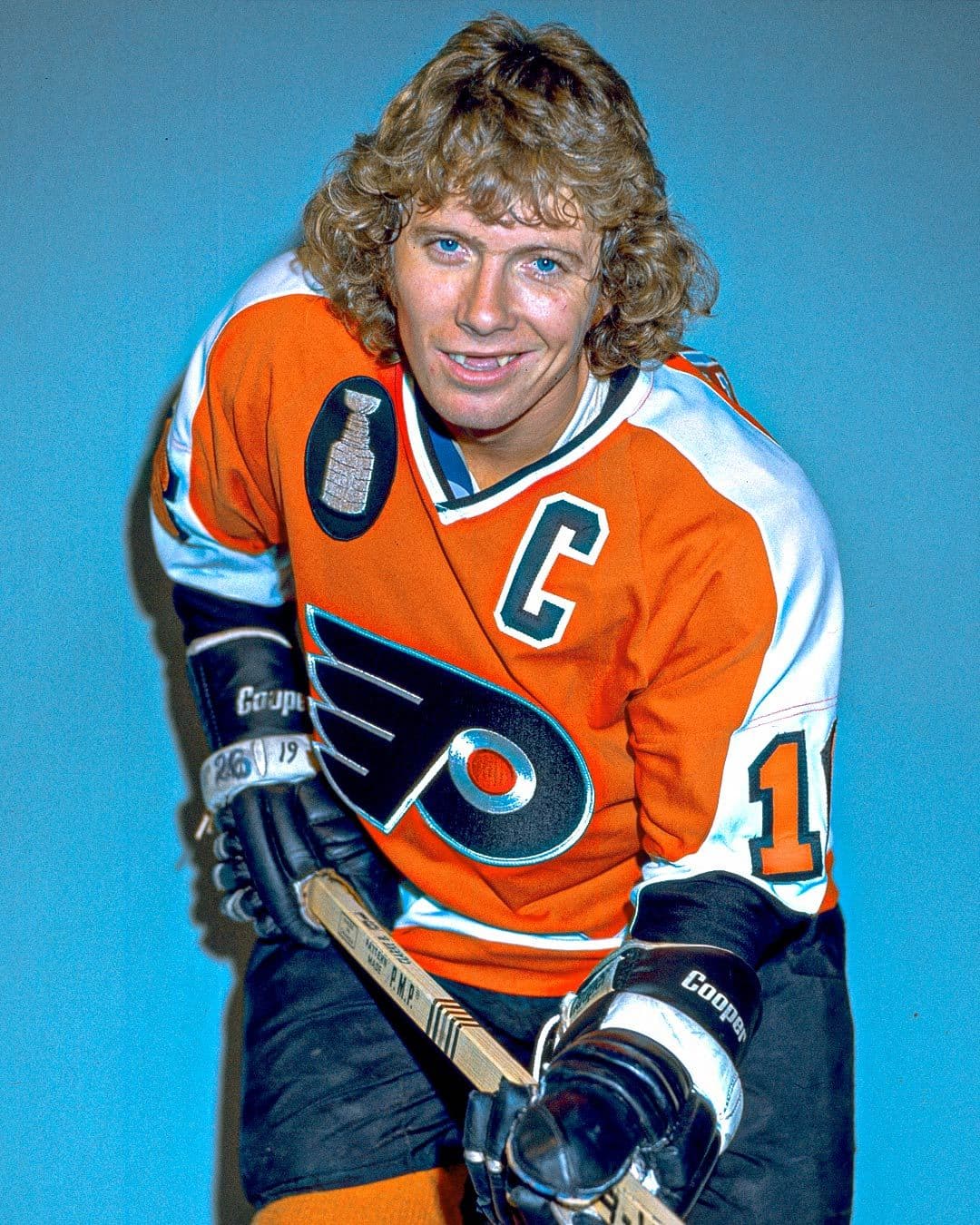
Bobby Clarke became the first expansion-era player to win the Lester B. Pearson Award in 1972-73, scoring 37 goals and 104 points while leading the Flyers to their first division title.
Philadelphia Flyers

Jean Ratelle
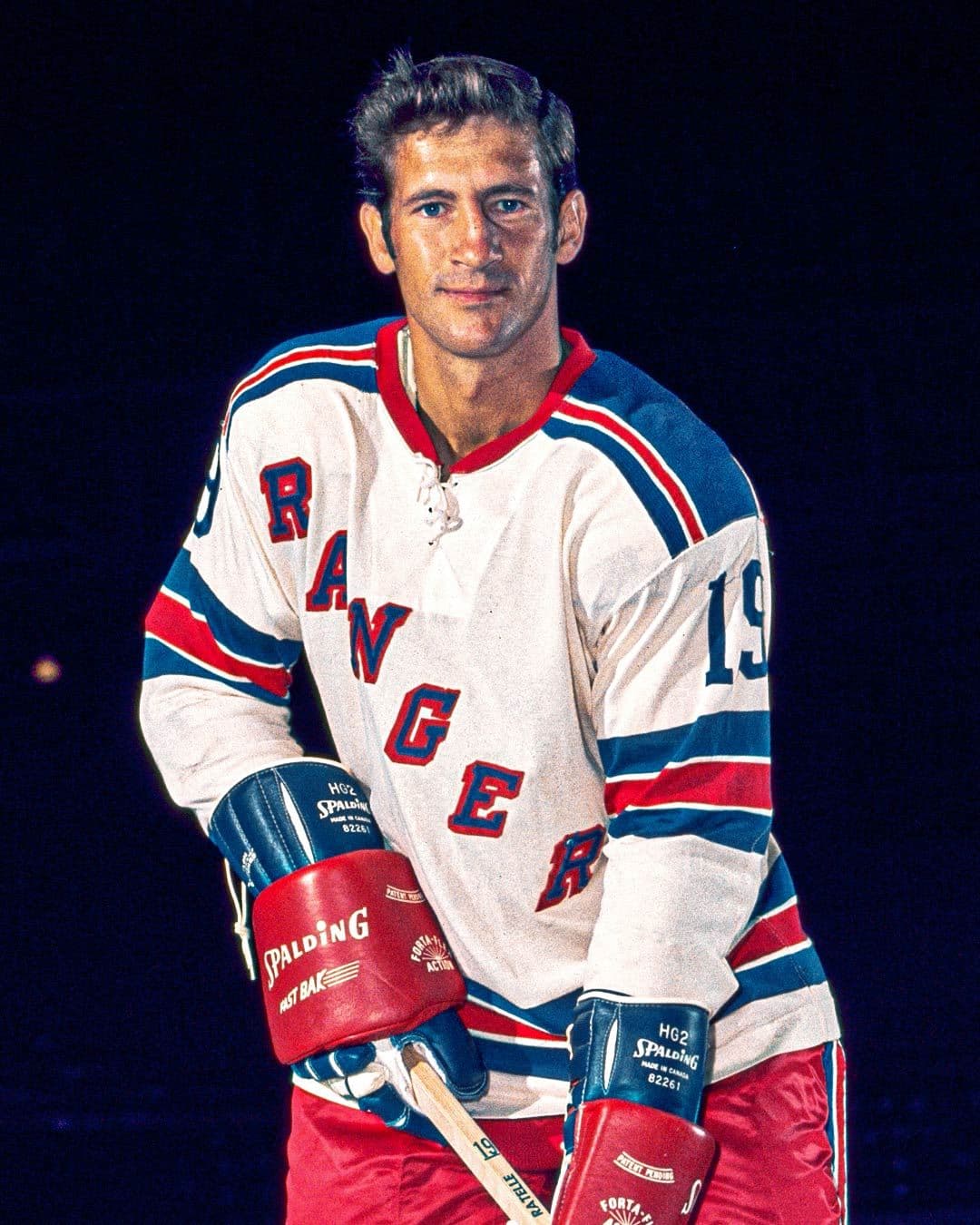
Jean Ratelle won the 1971-72 Lester B. Pearson Award after posting 46 goals and 109 points in just 63 games, leading the NHL in points per game and carrying the Rangers to the Stanley Cup Final.
New York Rangers

Phil Esposito
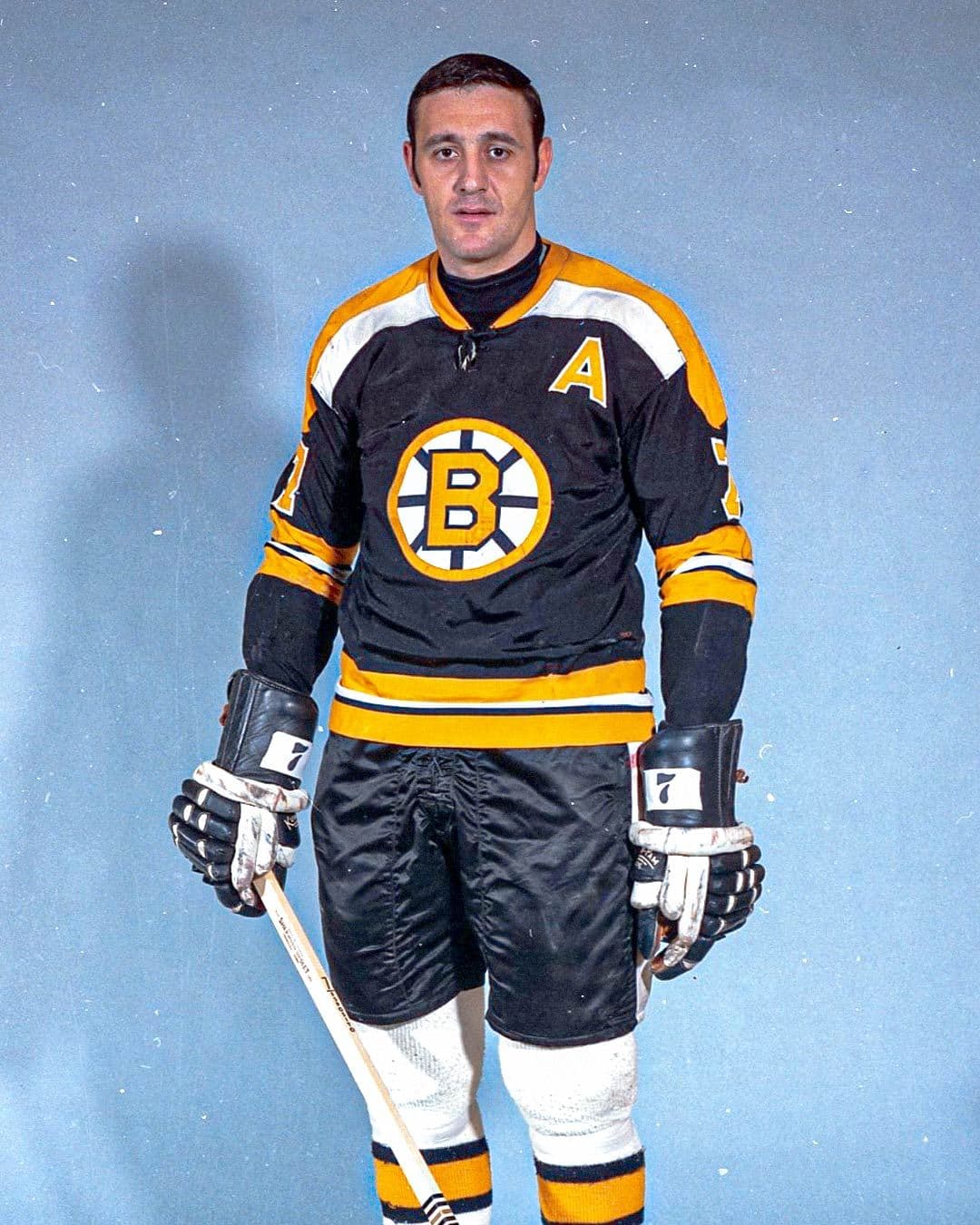
Phil Esposito became the inaugural Lester B. Pearson winner in 1970-71 with a record-setting 76 goals and 152 points, the first player ever to reach 70 goals in a season.
Boston Bruins