


It’s hard not to view the semifinal matchup between the United States and Slovakia in the men’s hockey tournament at the Milano Cortina 2026 Winter Olympics as a clash of two teams that believe very much in their respective destinies.
There is a strong case to be made that this version of Team USA is the greatest team ever assembled by the country. It’s certainly more talented than the “Miracle on Ice” team in 1980, which was made up mostly of college and minor pro players. Of course, they were also the last U.S. Olympic team to win a men’s hockey gold.
This version of Team USA is certainly on par, if not better than, the 1996 World Cup of Hockey team that bested a star-studded Canadian team in the final, for arguably the biggest international hockey win outside the country’s two gold medals in 1980 and 1960.
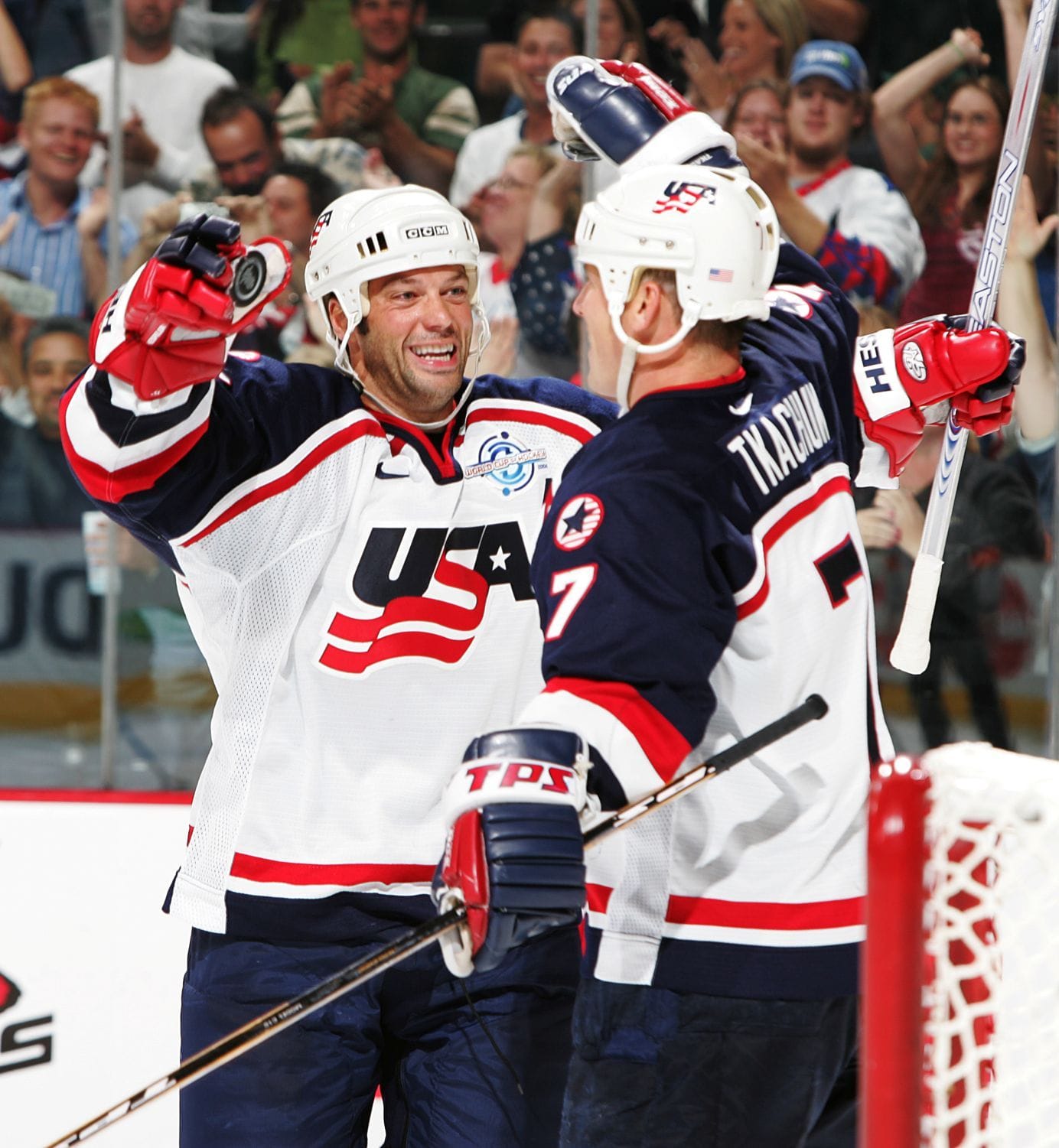
Speaking of destiny, or at the very least the lines that connect the past to the present, Bill Guerin, the current general manager of Team USA, played on that 1996 team. So, too, did Keith Tkachuk whose sons Matthew and Brady are key components of a team that has gone undefeated in Milan – even if they have not been hitting on all cylinders for periods of time in this competition.
Team USA nursed a 1-0 lead deep into the third period against a veteran Tre Kronor team in the quarterfinal only to give up the tying goal with Swedish netminder Jacob Markstrom on the bench for an extra attacker. But star American defenceman Quinn Hughes paved the squad’s way to the semifinals with a wicked wrist shot in overtime.
Team USA will now face a Slovak team most observers felt was too young to be a factor in this competition, the first involving National Hockey League players since 2014, but who are believing strongly in their own destiny while making believers of the rest of the hockey world.
The Slovaks were the only one of the four semifinalists who did not require additional time to make the final four and there is no question they are the tournament dark horses with a convincing 6-2 win over Leon Draisaitl and Team Germany. They started the tournament with an emphatic win over Finland that announced that perhaps the future is now for a Slovak hockey program that has gone through some growing pains in recent years.
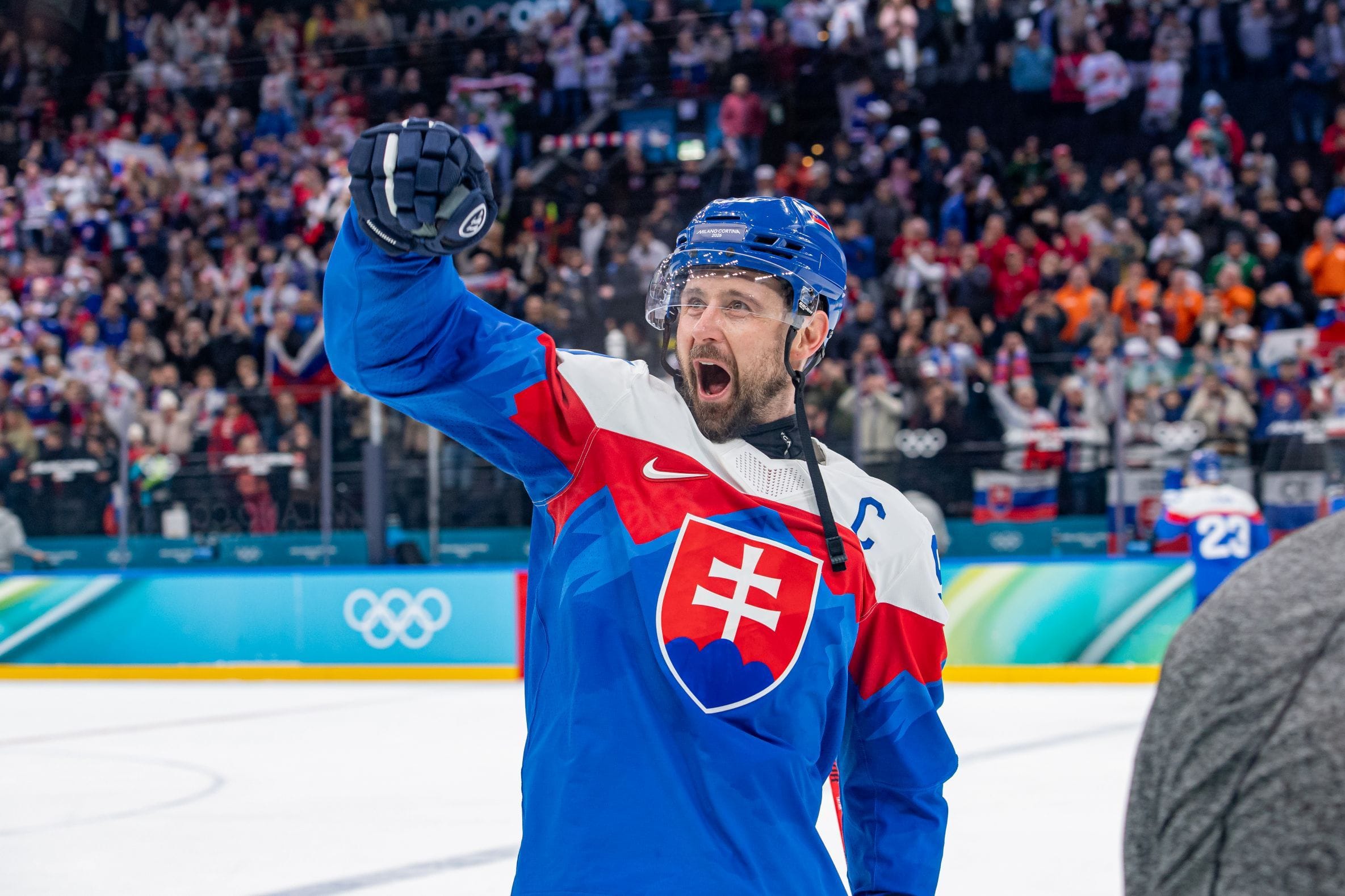
“We’ve had a great fans since I started playing for the national team,” said Slovak captain Tomas Tatar who played in 927 NHL regular season games. “You know, they always enjoy to see Team Slovakia to play at any tournament. Obviously a lot of people in the stands again, cheering us forward and we feel that atmosphere is electric, so it's awesome. You know, at the end, you're playing for the people and I hope they enjoy it.”
One reason that the Slovaks are feeling optimistic heading into Friday’s clash with the U.S. is that they advanced in an elimination game without needing a massive contribution from the 2022 first overall pick at the NHL draft, Juraj Slafkovsky, who has been a revelation in this tournament.
“I think it’s really huge for our team. It’s not just the one line,” Washington Capitals defenceman Martin Fehervary said. “I felt like all of our lines can score. They proved it [Wednesday]. I feel like we just got to keep it like this. It’s really huge. Even if some of the lines are not going to score some games, next game they can score and create some chances.”
Expect the Slovaks to use their speed and balance to try and keep the rugged and balanced American squad on their heels.
“We've got to reset,” U.S. defenceman Noah Hanifin said. “It was a great win [over Sweden]. Enjoy it right now. It’s a quick turnaround. We've got to get ready for a team that's playing really good hockey. They play hard. They compete. We know it's not going to be an easy game. It only gets harder as it goes along.”
The U.S. team will counter with what is widely considered to be the deepest blue line unit in the tournament.
Throw in the rock-solid play of Connor Hellebuyck in goal, who has allowed a tournament low three goals, boasts a sparkling 0.98 goals against average and .957 save percentage, and the Slovaks will have their work cut out for them trying to penetrate the U.S. and create scoring chances.
While the U.S. may not have been as dynamic offensively as observers may have imagined, they have also not been able to exploit opponents with a potentially potent power play enjoying just nine man-advantage opportunities. Only Italy with eight have had few power play chances.
The Slovaks enter the semifinals one of the most penalized teams in the tournament while the U.S. are among the least.
With Quinn and Jack Hughes both playing at an exceptional level, the Slovaks will want to play this semifinal game at five-on-five or court disaster.
“We want to keep this thing rolling. It's so fun. You want to just keep playing,” Jack Hughes said.
(Feature photos courtesy of Getty Images)